Breathable finishes for period properties are essential because they allow moisture to evaporate from walls, which prevents damp and preserves the structural integrity of historic homes. Materials like lime plaster and eco-friendly paints provide the necessary flexibility and vapour permeability that modern alternatives often lack. These traditional solutions ensure a healthy living environment while protecting the building from long-term moisture damage.
Many owners of period properties in Norfolk face a recurring frustration. You invest in a renovation only to find damp patches appearing or paint flaking away within a few months. This often happens because modern, impermeable materials are applied to historic structures designed to manage moisture naturally. In a coastal or rural environment like ours, trapping moisture inside your walls is a recipe for disaster. Understanding the science of breathability is not just a matter of aesthetics; it is essential for the long-term health of your home. This guide explores the vital role of lime plaster and high-performance paints. We will examine SD values, compare traditional materials with modern alternatives, and highlight common mistakes to avoid when restoring Norfolk heritage homes. From Hunstanton to Norwich, we explain how to ensure your property remains dry and beautiful for generations.
Understanding Breathable Finishes for Period Properties
In traditional building conservation, the term breathable refers to a structure's ability to manage moisture through evaporation. Unlike modern houses that rely on plastic membranes and cavity walls to create a sealed environment, period properties built before 1919 were designed to function as an open system. This moisture management relies on the concept of a breathable envelope, where the exterior masonry, internal plaster, and final decorative layers all allow water vapour to move freely from the substrate to the atmosphere.
For the diverse architecture found across our region, from the flint cottages along the North Norfolk coast to the substantial Victorian terraces handled by period property specialists in Norwich, maintaining this vapour permeability is essential. Georgian townhouses undergoing King's Lynn restoration require the same careful approach. When these solid walled buildings are treated with modern, non porous materials like gypsum or vinyl paint, moisture becomes trapped within the structure. This often results in damp patches, salt crystallisation, and the eventual failure of the wall finish. Using breathable finishes for period properties ensures that the building can perspire naturally, preventing the structural decay associated with trapped moisture while preserving the aesthetic integrity of Norfolk’s historic housing stock.
The Science of Breathability: SD Values and Moisture Management
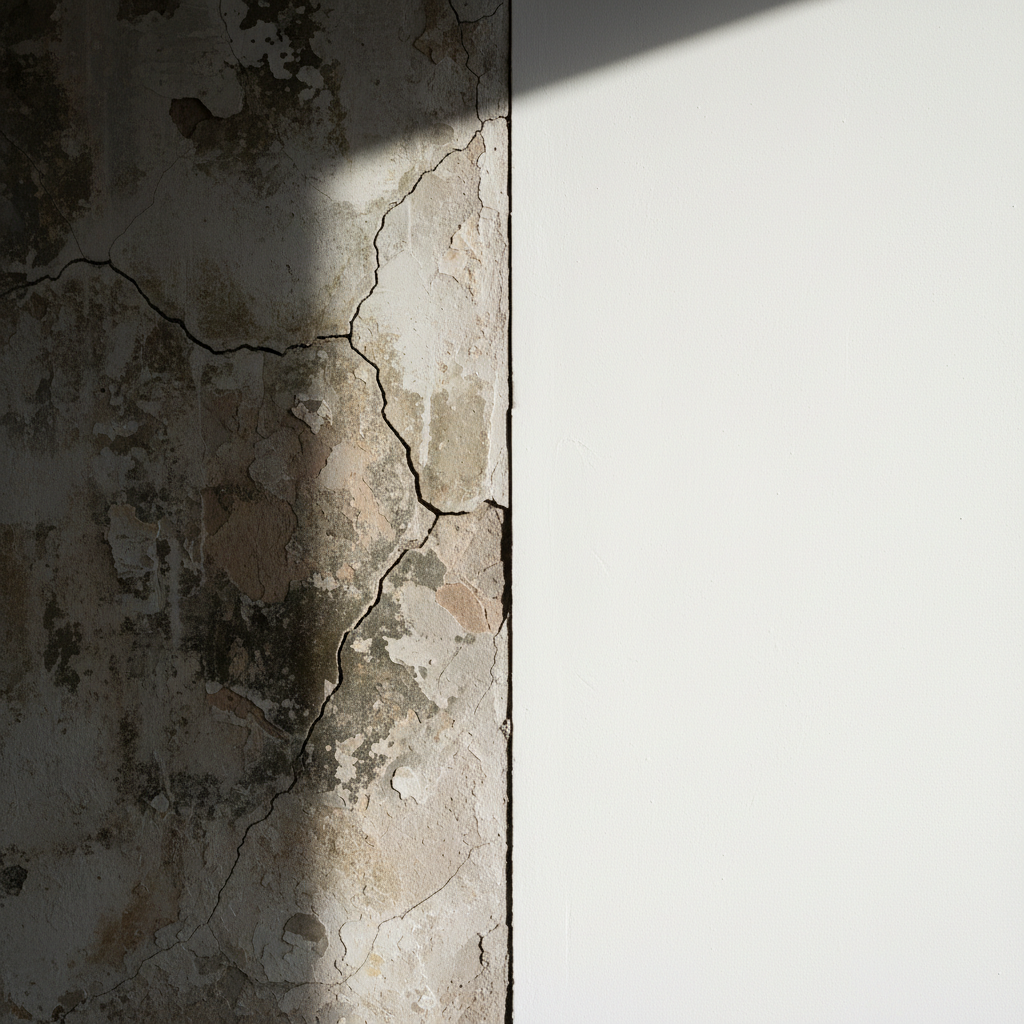
To understand how breathable finishes for period properties function on a technical level, we must look at the SD value, which stands for Steam Diffusion thickness. This value measures a material's resistance to water vapour, expressed in metres. It represents the thickness of a static layer of air that would provide the same resistance to vapour as the material in question. In the context of traditional building conservation, a lower SD value indicates higher breathability.
A truly breathable system usually requires materials with an SD value of 0.1m or lower. When we contrast traditional materials with modern alternatives, the difference in moisture management becomes clear:
Material Type | Typical SD Value | Breathability Level |
|---|---|---|
Limewash | 0.02m | Exceptional |
Silicate Paint | 0.05m | Very High |
Traditional Lime Plaster | 0.10m | High |
Gypsum Plaster | 0.20m+ | Moderate to Low |
Modern Vinyl/Acrylic Paint | 0.50m - 1.0m+ | Non-Breathable |
When a wall is coated in a finish with a high SD value, it acts as a vapour barrier. In a solid-walled Norfolk cottage, particularly those exposed to the elements along the North Norfolk coast, internal and external moisture cannot escape. This trapped water often leads to salt crystallisation; as water tries to force its way out, it carries minerals to the surface that expand and cause the plaster to blow or crumble. Even more concerning is the risk of timber decay, as moisture trapped against joists or wall plates creates the perfect environment for rot. By selecting materials based on their SD values, we ensure the masonry remains dry and the structural integrity of the property is maintained.
Lime Plaster vs Cement and Gypsum: Which is Better for Old Houses:
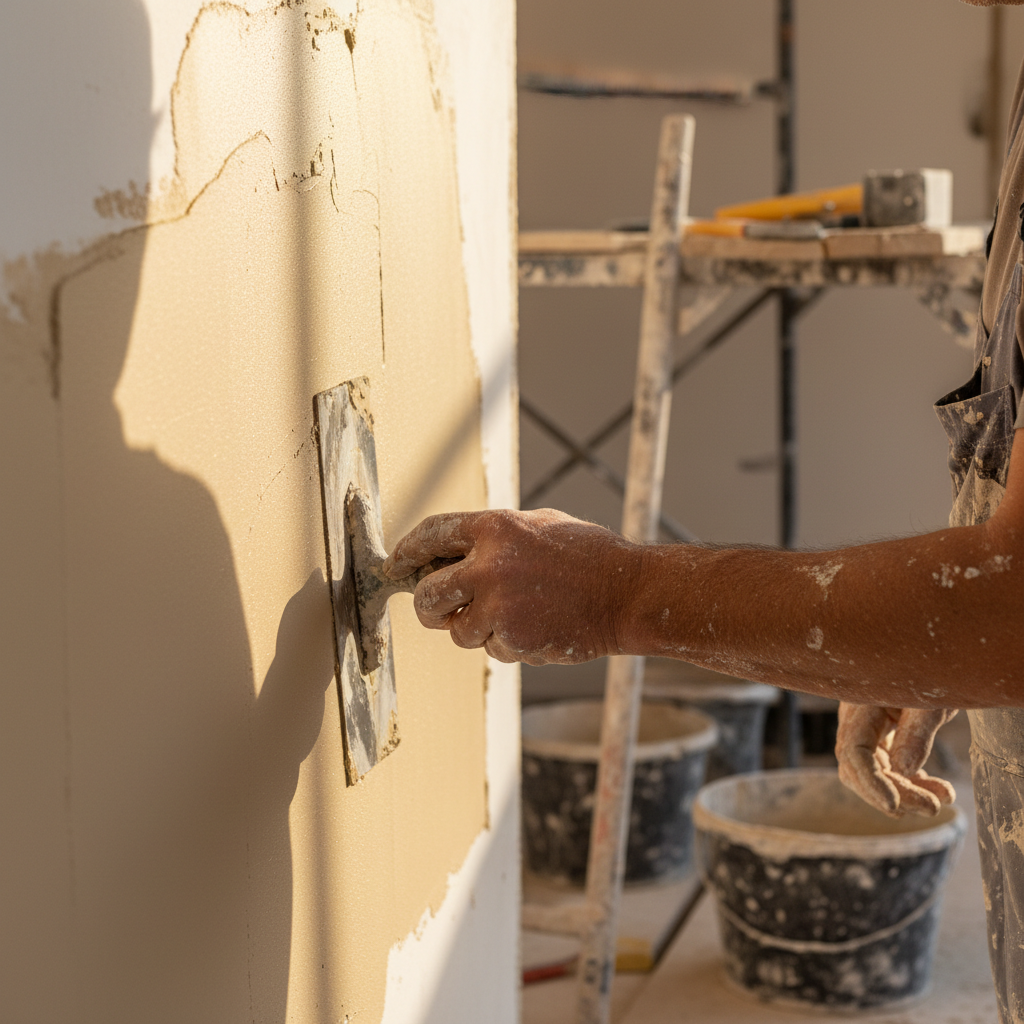
The technical requirement for low SD values leads directly to the choice of internal materials. When comparing lime plaster against modern cement and gypsum, the selection is rarely about cost alone; it is about structural compatibility. Lime plaster is inherently flexible, allowing it to absorb the subtle structural shifts common in older Norfolk properties without the surface cracking seen in rigid alternatives. Additionally, the high alkalinity of lime provides a natural resistance to mold and fungal growth, a critical benefit in the damp, maritime climate of the North Norfolk coast.
Feature | Lime Plaster | Gypsum Plaster | Cement Plaster |
|---|---|---|---|
Flexibility | High (Self-healing) | Low (Brittle) | Very Low (Rigid) |
Porosity | High | Low | Negligible |
Setting Time | Slow (Weeks) | Fast (Hours) | Moderate (Days) |
Durability | Centuries (with care) | Decades | High (but risks masonry) |
Homeowners often ask, 'Which is better, lime plaster or cement plaster?' While cement is objectively stronger and faster to apply, its strength is its primary weakness in a period context. Because cement is non porous, it acts as a waterproof barrier. In a solid walled cottage, this forces rising or penetrating moisture to accumulate behind the plaster layer, eventually leading to blown finishes and decayed masonry. Lime, by contrast, acts as a wick, drawing moisture out of the wall and allowing it to evaporate.
At Norfolk Plaster, we provide specialized plastering and painting services that manage this delicate transition. We ensure that the remedial repair of traditional masonry is followed by a sympathetic lime finish, creating a stable, breathable substrate ready for the final decorative layers. By selecting lime over modern substitutes, you are not just repairing a wall; you are restoring the building’s ability to regulate its own environment.
Why the Right Paint Matters: Beyond Limewash
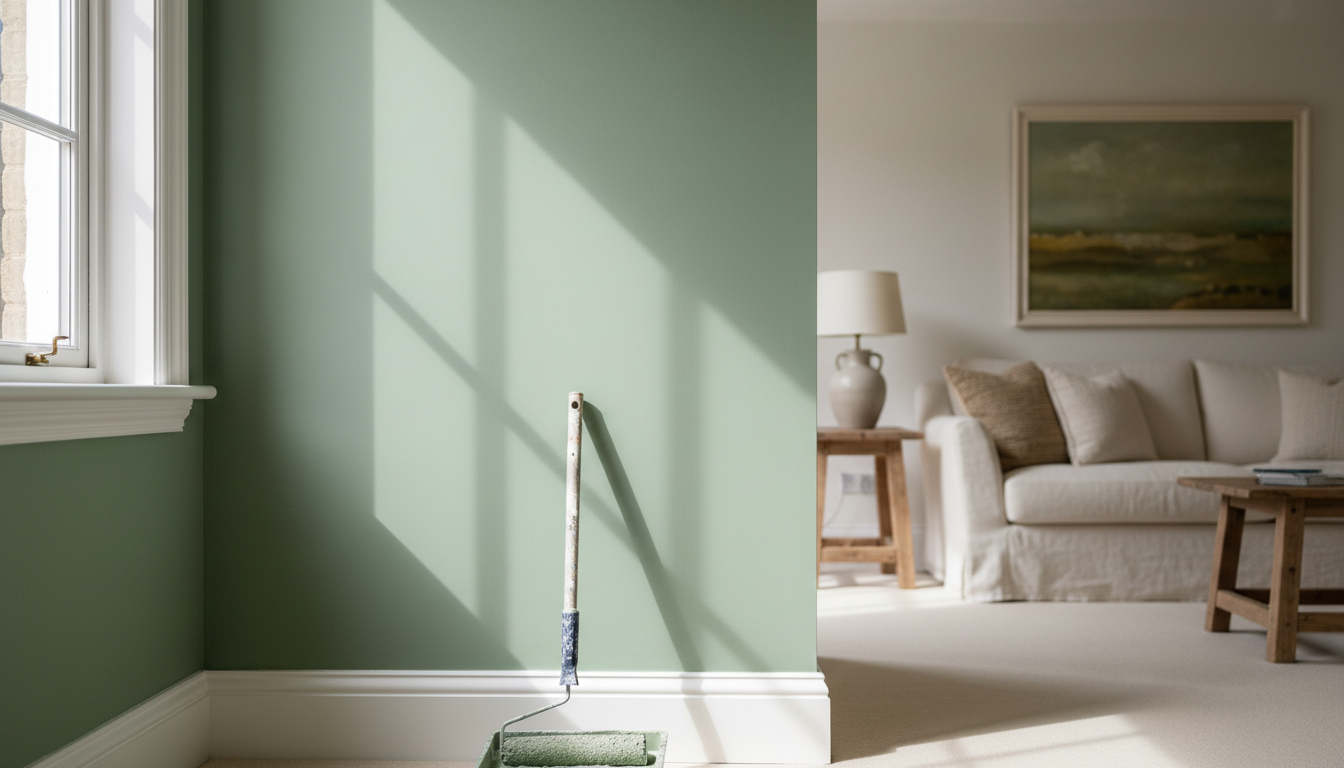
The technical success of a lime plastering project depends entirely on the final decorative layer. Applying a standard vinyl or acrylic emulsion over a fresh lime substrate effectively plastic wraps the wall, negating the moisture management properties of the plaster beneath. To maintain the vapour permeability required for breathable finishes for period properties, you must select a paint system that allows the wall to continue to function as a wicking agent. When a non-porous paint is used, moisture is trapped at the interface between the plaster and the paint film, often leading to bubbling, flaking, and the eventual failure of our plastering and painting services.
There are several high-performance alternatives to traditional limewash that provide a more durable and uniform finish without sacrificing breathability:
Paint Type | Primary Benefit | Best Use Case |
|---|---|---|
Clay Paint | Highly breathable; naturally regulates humidity. | Bedrooms and living areas. |
Silicate Paint | Chemically bonds to mineral substrates; extremely durable. | High-traffic areas and damp-prone walls. |
Breathable Emulsion | Traditional aesthetic with modern ease of application. | General interior decorating. |
Modern breathable paints from brands such as Graphenstone, Edward Bulmer, or the specialist ranges from Little Greene often feature very low levels of Volatile Organic Compounds (VOCs). This makes them significantly safer for both the applicator and the residents. A common concern among our clients is safety; specifically, can you sleep in a room after painting with low VOC paint? Because these eco-friendly options lack the harsh chemicals and off-gassing found in oil-based or heavy vinyl paints, the answer is generally yes. You can typically inhabit the room the same day the work is completed. These paints provide a sophisticated, matte finish that respects the architectural history of the region while ensuring the building envelope remains fully functional.
Restoring Norfolk Heritage: From Hunstanton to Norwich
Applying the principles of moisture management requires an understanding of Norfolk’s unique microclimates. Properties along the North Norfolk coast, particularly in Hunstanton and Cromer, contend with high humidity and salt laden air. In these coastal environments, moisture is often airborne as well as ground based. If a traditional flint cottage is sealed with non-porous masonry paint, salt becomes trapped behind the surface film. As these salt crystals expand, they cause the face of the brick or stone to flake away, a process known as spalling. Breathable finishes for period properties are the only way to ensure that sea spray and humidity can evaporate without compromising the structural masonry.
In designated conservation areas such as Burnham Market or Holt, using traditional materials is frequently a condition of planning and preservation. Maintaining the aesthetic and structural integrity of these villages relies on using authentic lime renders and plasters that behave exactly like the original 18th or 19th century materials. For King's Lynn restoration projects or Victorian terrace work handled by period property specialists in Norwich, the challenge often involves undoing decades of inappropriate modern repairs. We focus on removing hard cement patches and plastic emulsions to restore the wall’s natural equilibrium. By providing specialized plastering and painting services across these varied landscapes, we ensure that every building, from a windswept coastal cottage to a city townhouse, remains dry and durable.
Common Renovation Mistakes to Avoid with Period Walls
Successful restoration depends on avoiding common pitfalls that compromise the structural health of a building. One frequent error is installing damp-proof injection courses in solid-walled properties. These chemical barriers often fail in traditional masonry because they do not address the lack of a physical damp-proof course, and the chemicals rarely penetrate dense, historical brickwork or flint. Instead, moisture continues to rise, trapped behind the very barrier intended to stop it.
Another mistake is over-modernising with plastic finishes, such as vinyl emulsions or waterproof renders. While these materials promise a quick fix for damp patches, they act as a seal that prevents evaporation. This tanking approach merely treats the symptoms; it pushes moisture further into the structure, often forcing it into floor timbers or higher up the wall.
Before starting any plastering and painting services, the root cause of moisture, such as blocked gutters or high external ground levels, must be resolved. Ignoring these sources while applying breathable finishes for period properties is counterproductive. For a King's Lynn restoration or a project on the North Norfolk coast, ensuring the building is functionally dry before applying lime-based materials is the only way to prevent future failure. This technical oversight is why period property specialists in Norwich often spend more time removing modern cement patches than applying new finishes.
The Seamless Transition: Professional Plastering and Decorating
Hiring separate trades often leads to friction, particularly when technical materials like lime are involved. If a decorator applies an incompatible coating over fresh lime, the finish will fail, yet the blame is frequently passed between the plasterer and the painter. Engaging a single contractor for both plastering and painting services ensures total accountability and technical cohesion. We manage the entire lifecycle of the wall, from the initial application of breathable lime to the final decorative layer. This holistic approach is vital for breathable finishes for period properties, as it guarantees that every layer, from the masonry out to the pigment, remains vapour permeable.
Our team provides this integrated service to clients throughout Swaffham, Fakenham, and the North Norfolk coast. By overseeing both stages, we eliminate trade conflict and ensure the substrate is perfectly prepared for the specific requirements of silicate or clay paints. This continuity of care is especially important for complex King's Lynn restoration projects or for period property specialists in Norwich who require a flawless, durable finish that respects the building’s heritage. One specialist team overseeing the project ensures that quality control remains consistent from the first trowel to the final brushstroke.
Protecting the integrity of a period property relies on understanding how traditional materials interact with the local environment. By prioritizing breathability through lime plaster and eco-friendly paints, you safeguard your Norfolk home against moisture issues while preserving its historical character. Achieving the right finish often requires a specialized touch to ensure long-term results. If you want expert help with your next renovation project, you can read more about our team and our commitment to traditional craftsmanship. We are dedicated to helping you maintain a healthy, beautiful home.