The optimal approach to exterior painting Norfolk coastal homes involves scheduling projects during late spring or early autumn to avoid extreme temperatures and high humidity. Property owners should prioritize thorough preparation such as power washing to remove salt deposits and algae; this ensures that high quality, weather resistant masonry paint provides a durable shield against harsh seaside erosion.
Maintaining a coastal home in Norfolk presents a unique set of challenges, specifically the relentless assault of salt spray, driving North Sea winds, and high humidity. For many homeowners, a standard exterior finish often begins to fail within a few seasons; this leaves the masonry or timber vulnerable to moisture ingress. This degradation is more than an aesthetic concern; it is a direct risk to the structural integrity of your property. At Norfolk Plaster, we believe that protection starts with a specialist understanding of local conditions and traditional building materials. This guide outlines the optimal seasonal windows for exterior work, including the viability of late autumn projects. You will learn about the rigorous preparation required for salt-heavy environments and the advanced paint systems designed for durability. From budgeting to professional maintenance schedules, we provide the expert insight needed to preserve your home against the elements.
Why Coastal Norfolk Demands a Specialist Approach to Exterior Painting
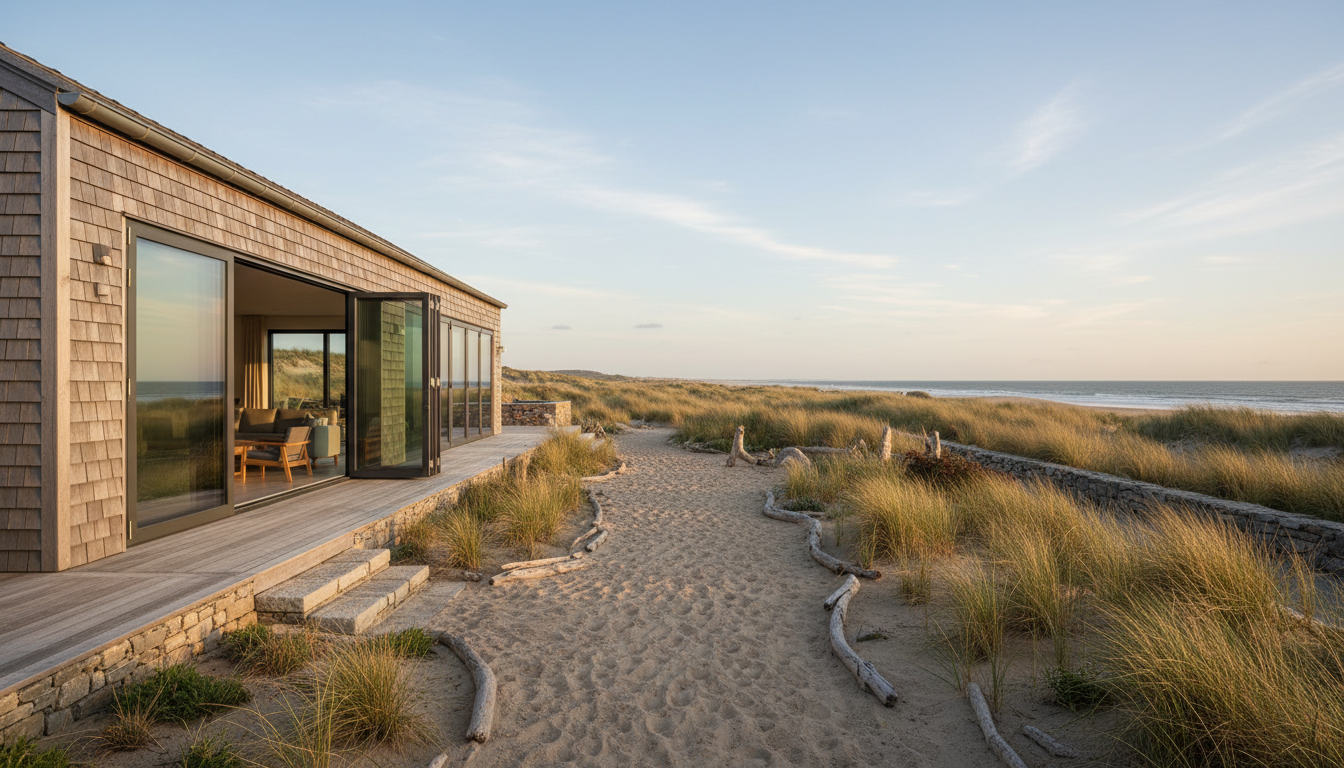
Maintaining a property on the North Norfolk coast involves far more than simple aesthetics; it is a battle against a relentless marine environment. Properties in Hunstanton, Brancaster, and Cromer are subjected to harsh North Sea winds and high levels of salt spray. Salt is naturally hygroscopic, meaning it actively attracts and traps moisture against the building’s surface. This constant dampness creates a punishing cycle for external walls that properties in inland towns, such as Swaffham or Fakenham, simply do not experience.
A standard paint job often fails within a couple of seasons in these conditions. When wind-driven rain hits a façade at a horizontal angle, it forces moisture into the smallest substrate imperfections. If the coating is not specifically engineered for exterior painting Norfolk coastal homes, the trapped salt and water will cause the paint to bubble, crack, and eventually delaminate.
Environmental Factor | Impact on Coastal Masonry | Professional Mitigation Strategy |
|---|---|---|
Salt Spray | Traps moisture, accelerates corrosion | Specialized salt-neutralising washes |
Wind-driven Rain | Forces water into render cracks | High-build, flexible masonry coatings |
North Sea UV | Fades pigments and degrades binders | UV-stable, marine-grade finishes |
Professional expertise is essential to protect the building envelope. At Norfolk Plaster, we integrate our rendering knowledge with our painting & decorating services in Hunstanton to ensure the substrate is sound before the first drop of paint is applied. For exterior work in Brancaster or maintaining period properties along the coast, understanding the chemical interaction between salt and masonry is the difference between a finish that lasts and one that fails.
The Norfolk Seasonal Window: When to Paint Your Coastal Exterior
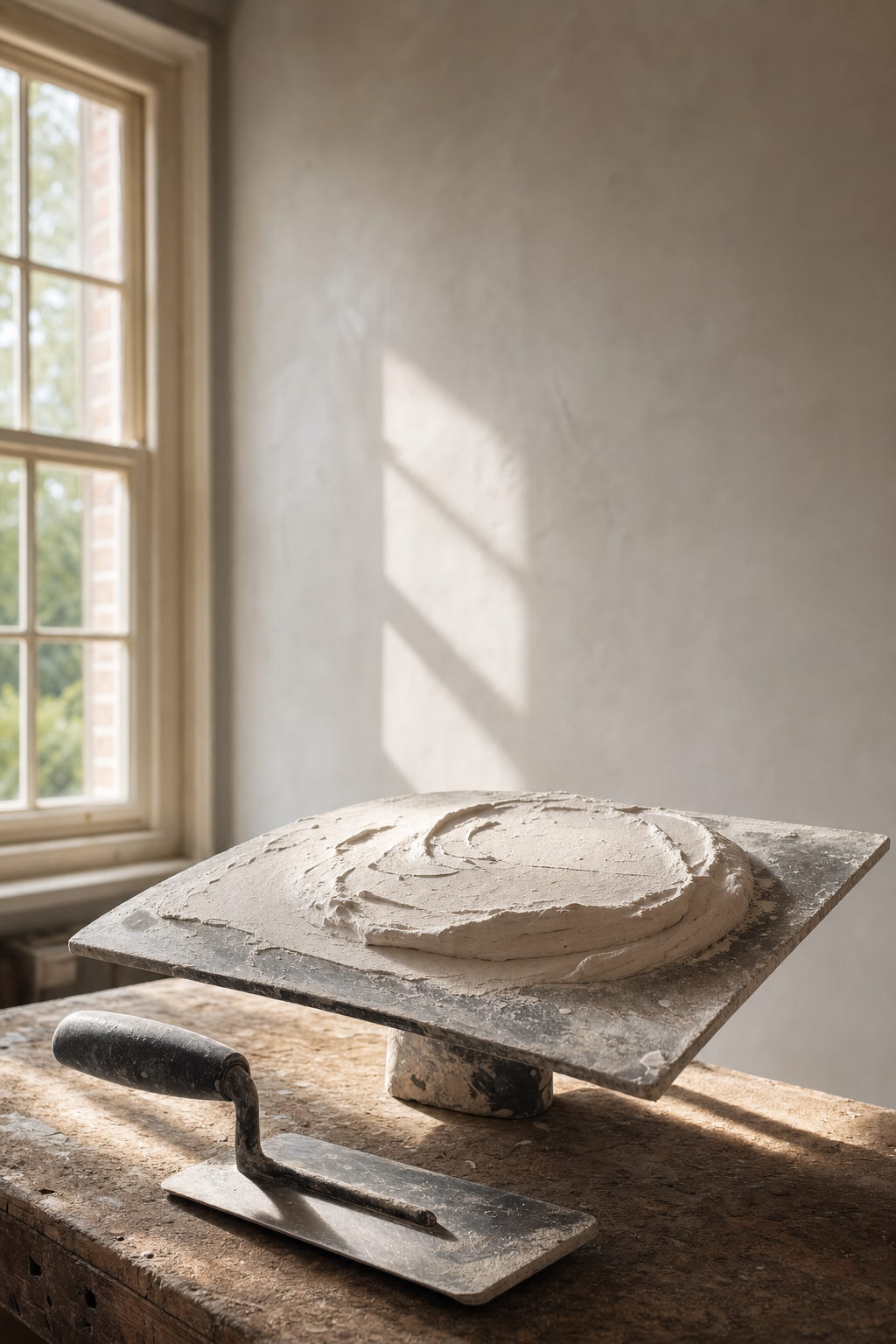
Timing an exterior project in Norfolk requires a balance between air temperature, humidity, and the unique marine microclimate. For exterior painting Norfolk coastal homes, we typically identify three 'Goldilocks' months: May, June, and September. These periods offer the most stable conditions, allowing high-performance coatings to cure correctly without interference from extreme heat or excessive moisture.
The ideal temperature range for masonry application is between 10 and 25 degrees Celsius. If the mercury drops below 10 degrees, the chemical process of film formation slows down, often resulting in a finish that remains tacky or fails to bond. Conversely, mid-summer heat in July and August can be equally detrimental. Direct, intense UV radiation during these months can cause the paint to dry too rapidly, leading to 'flashing' or visible lap marks. More importantly, high temperatures accelerate salt crystallization. As moisture evaporates quickly from the substrate, salt is pulled to the surface; if paint is applied over these invisible crystals, the finish will eventually blister and peel.
Springtime in North Norfolk brings its own specific hurdle: the haar. This thick sea mist can roll in suddenly from the North Sea, saturating the air and significantly extending drying times. Even on a seemingly clear day in March or April, the residual humidity from a morning mist can compromise the adhesion of painting & decorating services in Hunstanton or exterior work in Brancaster. When planning Burnham Market decorating projects, we prioritize the late summer window to ensure the substrate has fully dried out from the winter months while avoiding the harshest autumn rains.
Season Component | Ideal Conditions | Coastal Impact |
|---|---|---|
Temperature | 10°C to 25°C | Ensures correct binder fusion |
Humidity | Below 80% | Prevents 'blooming' and drying delays |
UV Intensity | Moderate | Minimizes pigment degradation during curing |
Substrate State | Dry and Salt-Free | Crucial for long-term adhesion |
Is October Too Late to Paint Outside in Norfolk?
Homeowners frequently ask if October is too late for external decorating. While the Norfolk autumn can occasionally offer mild conditions, we generally advise completing major projects by late September. The primary issue in October is the rapid drop in temperature and the significant rise in humidity once the sun begins to set.
After 4 PM, the dew point often converges with the air temperature. This causes moisture to settle on the surface of curing paint, leading to a phenomenon known as blooming. When paint blooms, the finish appears milky or dull, and the chemical bond is permanently weakened. For exterior painting Norfolk coastal homes, a compromised finish lacks the structural integrity required to withstand the winter gales that batter the coast.
Substrate moisture is the second major concern. By October, the porous masonry of period properties has often begun to absorb the seasonal increase in rainfall. Applying coatings over a damp substrate traps moisture behind the paint film, which inevitably leads to premature flaking. For reliable results in Burnham Market decorating or exterior work in Brancaster, we recommend concluding all decorative applications before the humidity levels become consistently high in early autumn.
Crucial Preparation Steps for Salt-Heavy Environments

Successful exterior painting Norfolk coastal homes begins with an uncompromising "Preparation First" philosophy. On the North Norfolk coast, the substrate is often contaminated by a layer of salt and biological growth that is invisible to the untrained eye. Applying paint directly onto this surface is a recipe for rapid delamination.
The process must begin with a thorough fungicidal wash. The damp, saline air of Hunstanton and Brancaster encourages algae and lichen to take root in the pores of the masonry. A professional grade biocidal treatment is necessary to kill these spores at the root; simply washing them away with water is insufficient, as they will quickly regrow beneath the new paint film. Following this, we use controlled pressure washing to strip away accumulated salt deposits. Because salt is hygroscopic, any crystals left on the wall will continue to draw moisture through the paint, causing the finish to blister and fail from the inside out.
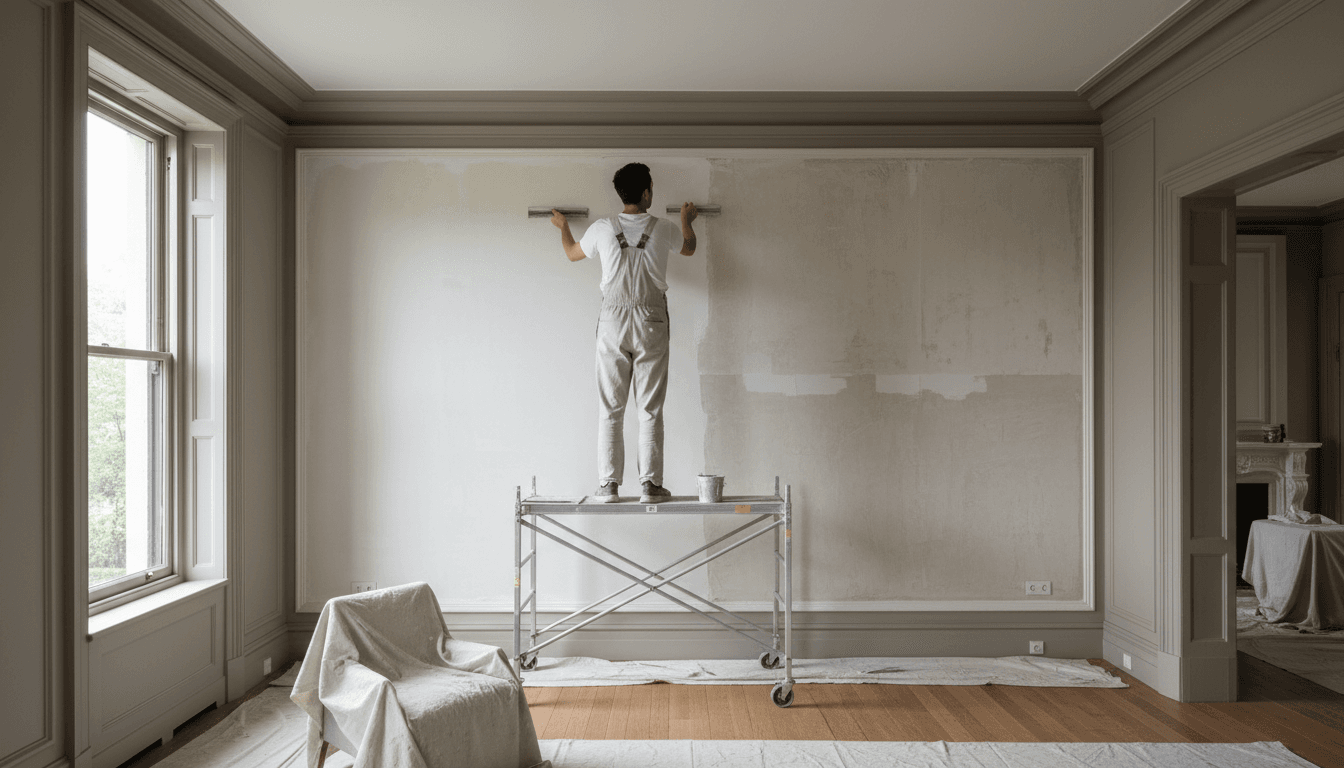
Once the surface is chemically clean and dry, the focus shifts to structural integrity. Coastal properties frequently suffer from hairline cracks in the render caused by the freeze thaw cycle and salt crystallisation. This is where Norfolk Plaster offers a distinct advantage. While many decorators will simply bridge these gaps with filler or thick paint, we provide a seamless transition from repairing the external render or plaster to the final decorative finish. Our background in professional plastering ensures that the underlying envelope is sound and weather tight before any aesthetic work begins.
Preparation Step | Purpose | Coastal Necessity |
|---|---|---|
Biocidal/Fungicidal Wash | Eliminates organic growth and spores | High; damp air promotes algae |
Salt Neutralisation | Removes hygroscopic mineral deposits | Critical; prevents osmotic blistering |
Render Repair | Seals the building envelope | Vital for wind-driven rain protection |
Substrate Priming | Ensures adhesion for the topcoat | Essential for porous Norfolk masonry |
By integrating these technical repairs with our painting & decorating services in Hunstanton, we eliminate the weak points that usually cause coastal paint jobs to fail. This holistic approach ensures the final coating is bonded to a stable, clean, and dry substrate that is ready to withstand the North Sea elements.
Best Paint for Coastal Homes: Durability Meets Aesthetics
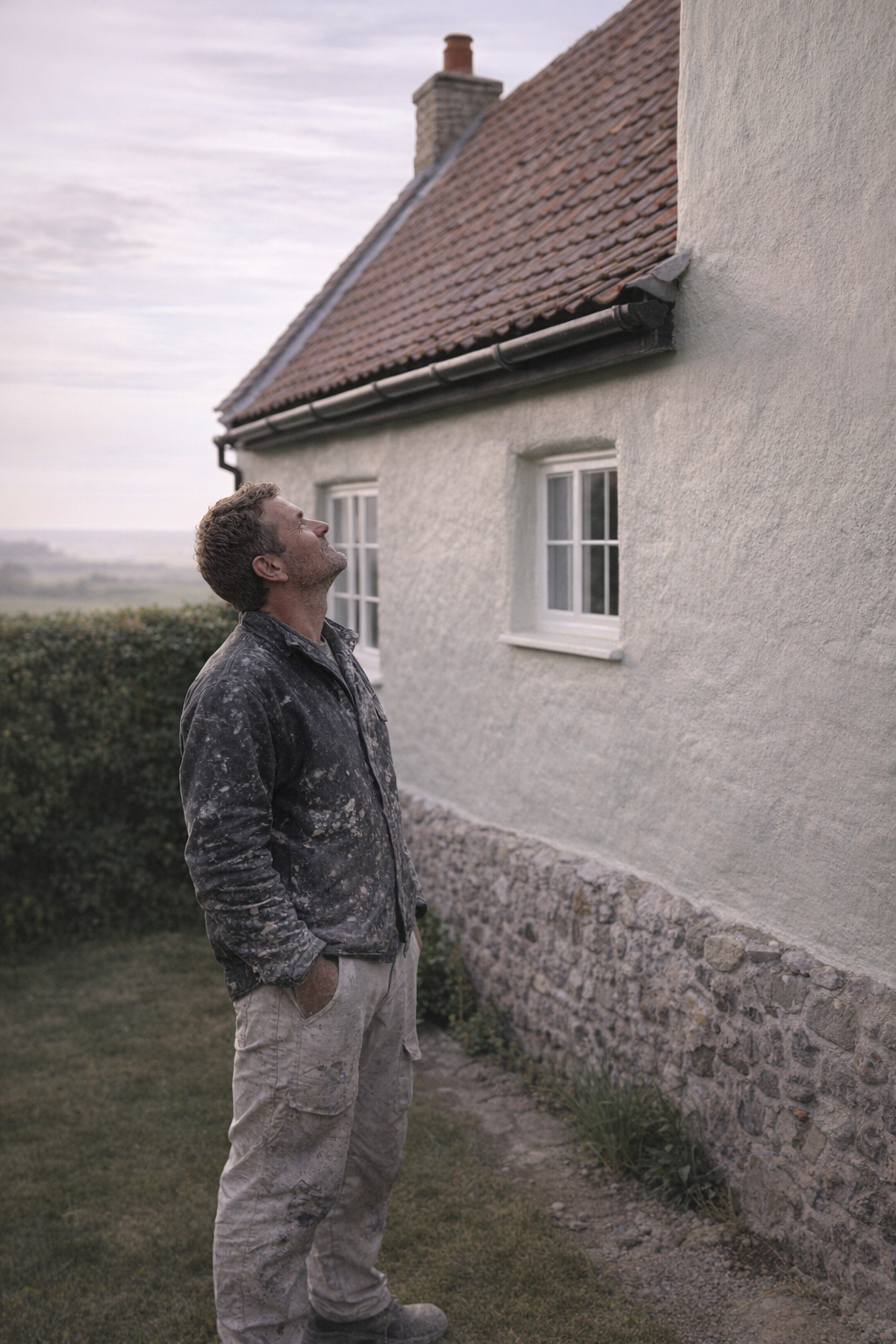
Selecting the correct coating is as much about chemistry as it is about curb appeal. For exterior painting Norfolk coastal homes, we specify finishes based on the specific architectural era and substrate of the building. Modern sand and cement renders or newer extensions often benefit from high-performance acrylic latex masonry paints. These coatings provide the flexibility needed to bridge minor movement and resist the abrasive nature of wind-blown sand along the coast.
However, the heritage flint and brickwork found in villages like Brancaster and Blakeney require a different approach. For these period properties, breathability is non-negotiable. We often recommend specialist silicate-based paints because they do not form a plastic-like film. Instead, they bond chemically with the mineral substrate, allowing water vapour to pass through the wall while remaining liquid-water repellent. This prevents moisture from becoming trapped within the masonry, which is the primary cause of internal damp and salt-bursting in older Norfolk homes.
Paint Type | Best Used For | Primary Benefit |
|---|---|---|
Acrylic Latex | Modern renders and extensions | High flexibility and UV resistance |
Silicate Paint | Flint, brick, and lime render | Maximum breathability; prevents moisture trap |
Pliolite-based | Difficult conditions and low temps | Excellent adhesion and shower resistance |
Aesthetic choices also have a functional role on the coast. We generally advise clients to opt for lighter, cooler palettes. Beyond matching the classic North Norfolk aesthetic, lighter pigments reflect UV radiation rather than absorbing it. Darker colours can lead to significant heat absorption, causing the substrate to expand and contract excessively, which eventually leads to hairline cracks in the render. By choosing soft whites, pebble greys, or muted creams for painting & decorating services in Hunstanton, you ensure the finish remains stable and the building envelope stays cool even during peak summer months.
Professional Maintenance: How Often Should You Repaint?
The geographic position of a property dictates its maintenance schedule more than almost any other factor. While a residence in inland towns like Swaffham or Fakenham may comfortably reach a decade before requiring a refresh, properties in Burnham Market or Thornham face a more aggressive environment. For exterior painting Norfolk coastal homes, we typically recommend a professional inspection and maintenance cycle every 5 to 7 years. This timeframe accounts for the accelerated degradation of paint binders caused by constant salt abrasion and intense North Sea UV exposure.
Early intervention is significantly more cost-effective than waiting for widespread failure. Once the protective film is breached, moisture enters the substrate, leading to delamination and the need for more extensive repairs. When assessing exterior work in Brancaster or surrounding villages, homeowners should look for specific physical indicators that the coating is no longer providing an effective seal against the elements.
Sign of Failure | What to Look For | Significance for Coastal Homes |
|---|---|---|
Chalking | A powdery residue on your hand after touching the masonry | The paint binder is breaking down, leaving the pigment unprotected |
Hairline Cracks | Fine, web-like fractures in the render surface | Allows wind-driven rain to bypass the paint and saturate the wall |
Flaking/Peeling | Paint lifting away from the substrate, usually in patches | Indicates a total loss of adhesion, often due to salt or moisture |
Rust Staining | Brown or orange streaks near fixings or corners | Salt air is corroding metal elements beneath or on the surface |
Identifying these issues early allows for targeted Burnham Market decorating or maintenance rather than a full-scale strip and recoat. If you notice chalking or fine cracks, the protective envelope is already compromised, making it the ideal time to schedule professional attention before the winter gales arrive.
The Cost of Exterior Painting and Decoration in Norfolk
Pricing for professional exterior painting Norfolk coastal homes is dictated by several variables beyond just the square footage of the walls. Property height is a primary factor. Multilevel residences along the seafront often require comprehensive scaffolding to ensure safety and precision on elevations exposed to the North Sea winds. The condition of the existing substrate also impacts the final investment. If your render is saturated with salt or contains deep fissures, the necessary remedial work performed by Norfolk Plaster will be reflected in the project quote.
Cost Driver | Influence on Project Price | Coastal Necessity |
|---|---|---|
Access & Scaffolding | High for multi-storey buildings | Crucial for safety in gusty coastal areas |
Render Integrity | Based on repair and stabilization | Stops moisture ingress before painting |
Coating Technology | Premium silicate or marine-grade | Prevents salt-bursting and UV fading |
Investing in expert painting & decorating services in Hunstanton or exterior work in Brancaster carries a higher initial cost than a basic DIY attempt. However, the longevity of a professional, salt-resistant finish provides significantly better value. A standard retail paint job often fails within two seasons in this climate, whereas our specialized Burnham Market decorating projects are engineered to survive the Norfolk elements for the long term. This durability protects the structural masonry and prevents the need for frequent, expensive interventions.
Protecting your coastal home from the elements requires careful timing and the right materials. While seasonal maintenance can keep your property looking its best, the unique challenges of the Norfolk coastline often require a specialized approach. If you want expert help ensuring your exterior finish remains durable against salt and wind, we are here to support your project. You can explore our Services to see how we can assist you with professional application and lasting protection for your home.