Choosing a paint finish after plastering depends on the wall condition and desired durability, but a mist coat must always be applied first to seal the porous surface. Homeowners should select a matt finish to effectively hide minor plastering imperfections, while eggshell or silk finishes offer a more durable and wipeable surface for high traffic areas. This strategic selection ensures the paint adheres properly and provides a professional, long lasting result.
After investing in professional plastering to achieve perfectly smooth walls, the temptation to immediately apply a splash of colour is significant. However, rushing this final stage often leads to frustrating results, such as peeling paint or uneven patches. Fresh plaster is a delicate substrate that requires a patient, methodical approach to ensure the finish remains as durable as it is beautiful. At Norfolk Plaster, we know that the transition from raw plaster to a finished room is where the true transformation of your home occurs. This guide provides a comprehensive roadmap for the decorating process; we cover everything from non-negotiable drying times to the essential mist coat. You will learn how to select the right sheen for every room and explore modern 2026 style trends, ensuring your Norfolk property achieves a flawless, long-lasting finish.
The Waiting Game: Why Drying Time is Non-Negotiable
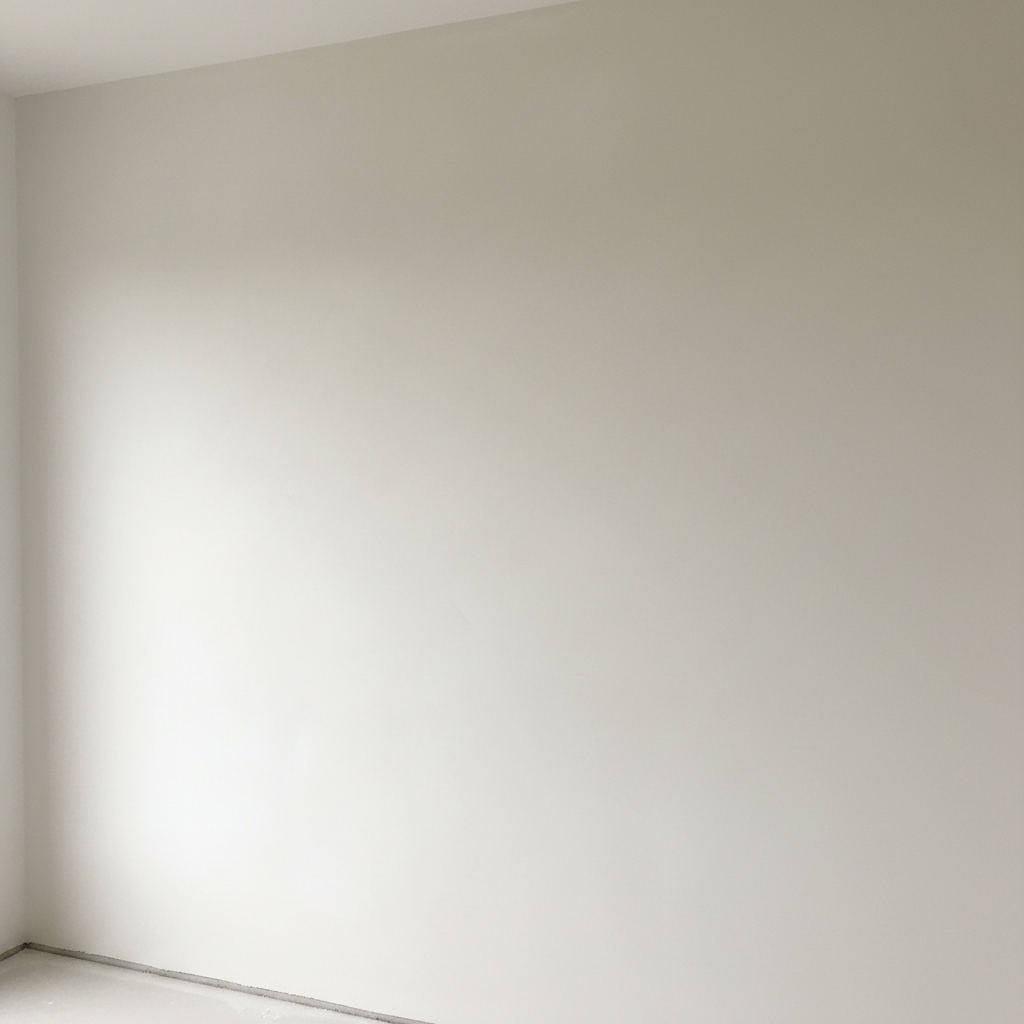
Patience is the most important tool when choosing paint finish after plastering. While general advice suggests a wait of 2 days, we advise at-least 4.The unique conditions of Norfolk often dictate a longer timeline. Rushing this stage is the primary cause of paint failure, leading to peeling or bubbling after the job is finished.
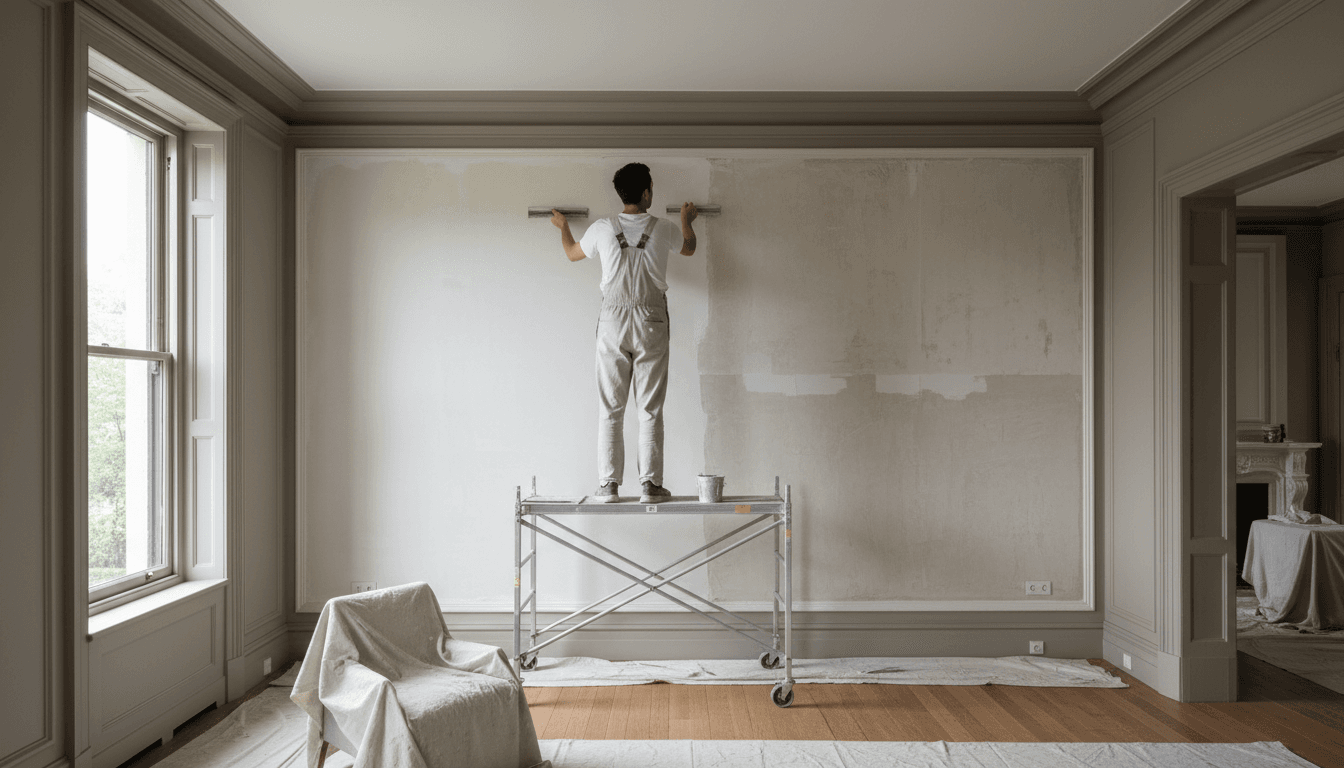
Monitoring the drying process requires looking for specific visual cues. Fresh plaster begins as a heavy, dark brown. As moisture evaporates, it transforms into a uniform, pale salmon pink. It is vital to wait until every patch of darkness has vanished before even considering a brush or roller. Avoid the temptation to use industrial heaters or high central heating to accelerate this process. Forced drying causes the plaster to shrink too quickly, resulting in hairline cracks or crazing that compromises the smooth surface.
Our team at Norfolk Plaster manages this transition carefully for every project, including a Norwich home renovation or a period property in Hunstanton. We ensure the surface is perfectly cured before our professional decorators in King's Lynn begin their work. This professional oversight prevents moisture from being trapped beneath the surface, ensuring the substrate is stable and ready for the first application of paint.
The Mist Coat: Your Secret to a Long Lasting Finish
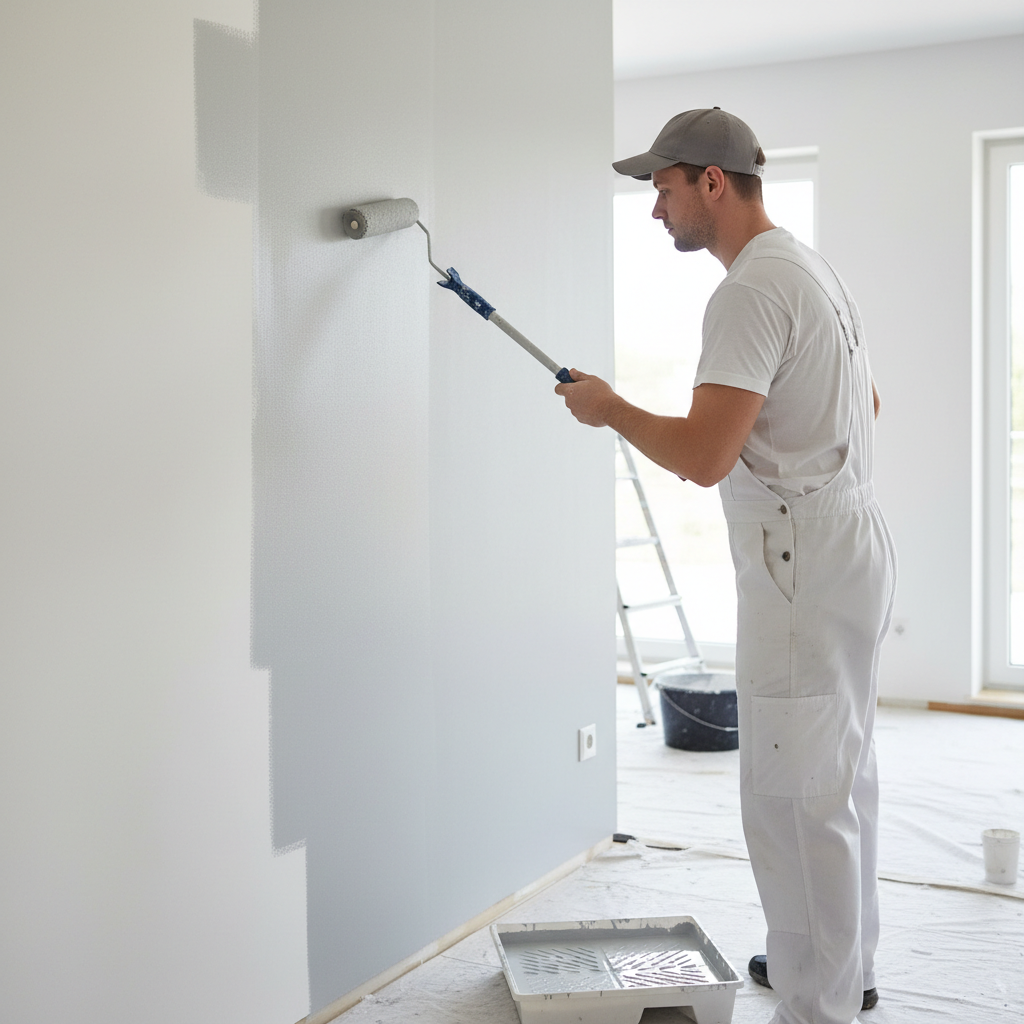
Once the plaster has cured to that characteristic pale pink, it is ready for the most critical step in the decorating process: the mist coat. Fresh plaster is incredibly thirsty. If you apply a standard topcoat directly from the tin, the porous surface will instantly suck the moisture out of the paint. This prevents the paint from forming a proper bond, leading to a finish that will eventually crack or flake off in large sheets.
A mist coat acts as a primer by saturating the plaster and providing a stable foundation. For a professional result, use a non-vinyl matt emulsion. It is essential to avoid vinyl-based paints for this stage because they contain plastic resins that sit on the surface rather than penetrating it. We recommend a dilution ratio of either 60:40 or 70:30 paint to water. While some DIY guides suggest a 50:50 mix, this often becomes too watery to provide adequate coverage or structural integrity. Apply the mixture evenly with a roller to ensure the surface is sealed without creating drips.
One of the most damaging mistakes we encounter in Norfolk properties is the use of PVA as a primer. While PVA is useful for many construction tasks, it creates a non-porous film that paint cannot adhere to. This almost guarantees that your expensive topcoat will peel away within a year. By opting for our integrated plastering and painting services, you ensure that the correct ratios and materials are used from the start. This technical precision is what separates a standard job from a high-quality finish in homes across Hunstanton and Swaffham, ensuring the substrate is ready for the final stage of choosing paint finish after plastering.
Comparing Paint Finishes: Matt, Silk, and Eggshell Explained
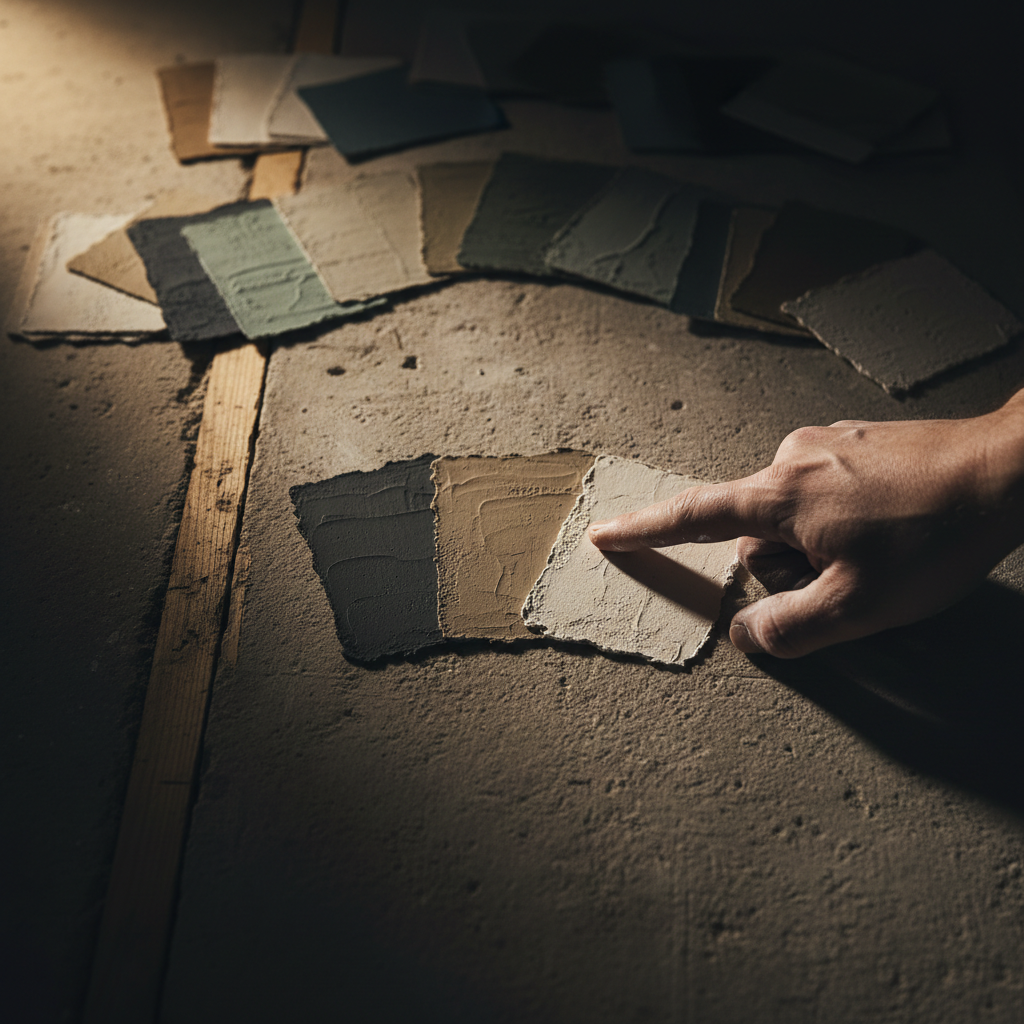
Selecting the final topcoat is about balancing aesthetics with the practical demands of your home. Once the mist coat has successfully sealed the substrate, the final decision involves navigating the distinct properties of matt, silk, and eggshell sheens.
Finish | Sheen Level | Best For | Primary Advantage |
|---|---|---|---|
Matt | Very Low | Living rooms, bedrooms, ceilings | Conceals plastering imperfections |
Eggshell | Low-Mid | Kitchens, bathrooms, hallways | Durable with a sophisticated, soft glow |
Silk | High | High-traffic utility areas | Maximum washability and light reflection |
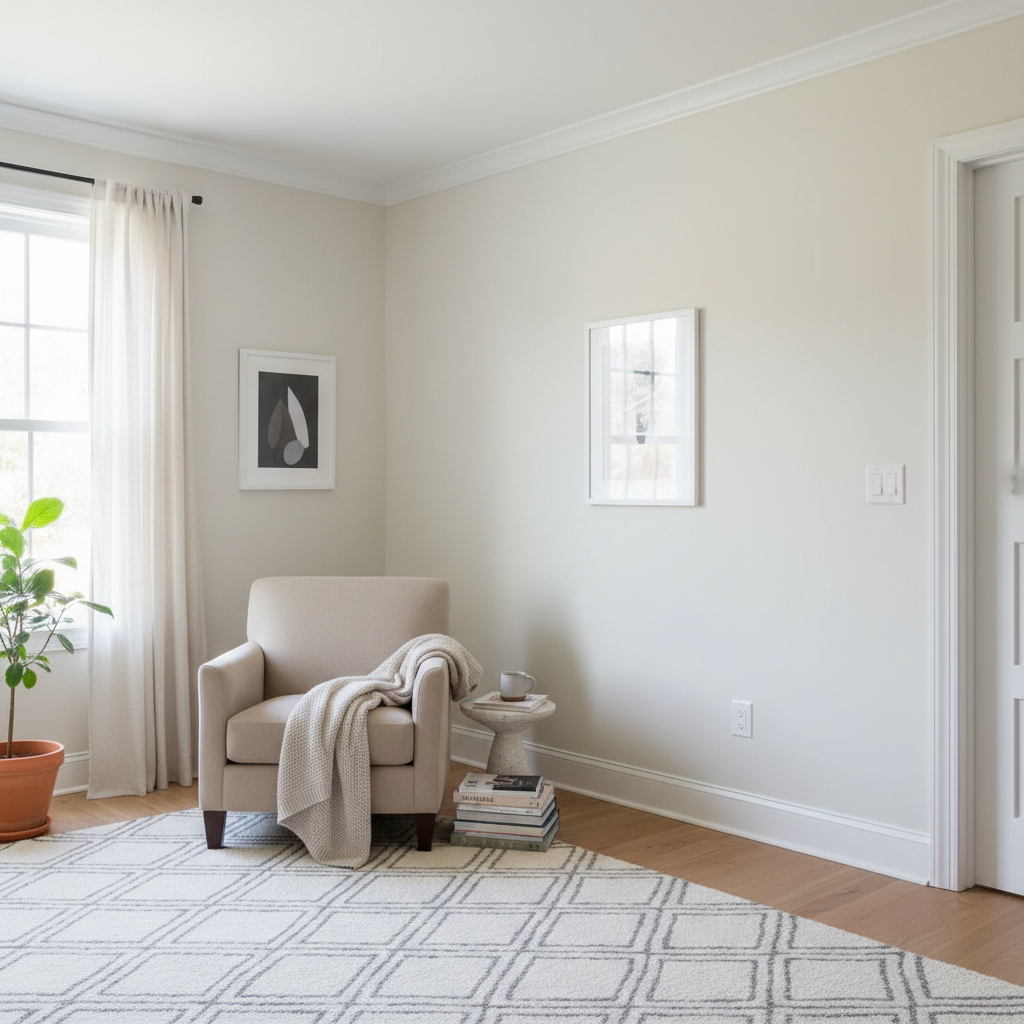
Matt emulsion is the professional standard for achieving a high-end, velvety look. Because it has the lowest light reflectance, it is the most forgiving finish for any wall. It effectively masks the minor, natural undulations in a plastered surface by absorbing light rather than bouncing it back. This creates a deep, flat colour that works exceptionally well in the large, light-filled living spaces common in North Norfolk renovations.
At the other end of the spectrum, silk emulsion provides a hard-wearing, plastic-like film that is incredibly easy to clean. While functional, silk is notoriously unforgiving; its high-sheen surface acts like a spotlight on the wall, highlighting every tiny ridge or trowel mark. For many Norfolk homeowners, eggshell offers the perfect middle ground. It provides more durability and moisture resistance than matt but lacks the harsh, reflective quality of silk. It is particularly effective for woodwork and walls in high-moisture areas, offering a refined finish that stands up to daily wear.
When considering smaller properties, such as Victorian terrace houses in Norwich or traditional cottages in Fakenham, many people ask if silk paint makes a room look bigger. Technically, the answer is yes. High-sheen finishes reflect more light into dark corners, which can create an illusion of increased space. However, this often comes at a visual cost. The reflective glare can make the walls feel clinical and will draw unwanted attention to the texture of the plaster. We usually recommend achieving a sense of space through light colour palettes in a matt or eggshell finish, ensuring that choosing paint finish after plastering results in a surface that feels both spacious and flawlessly smooth.
The Best Finish for Every Room in Your Norfolk Home
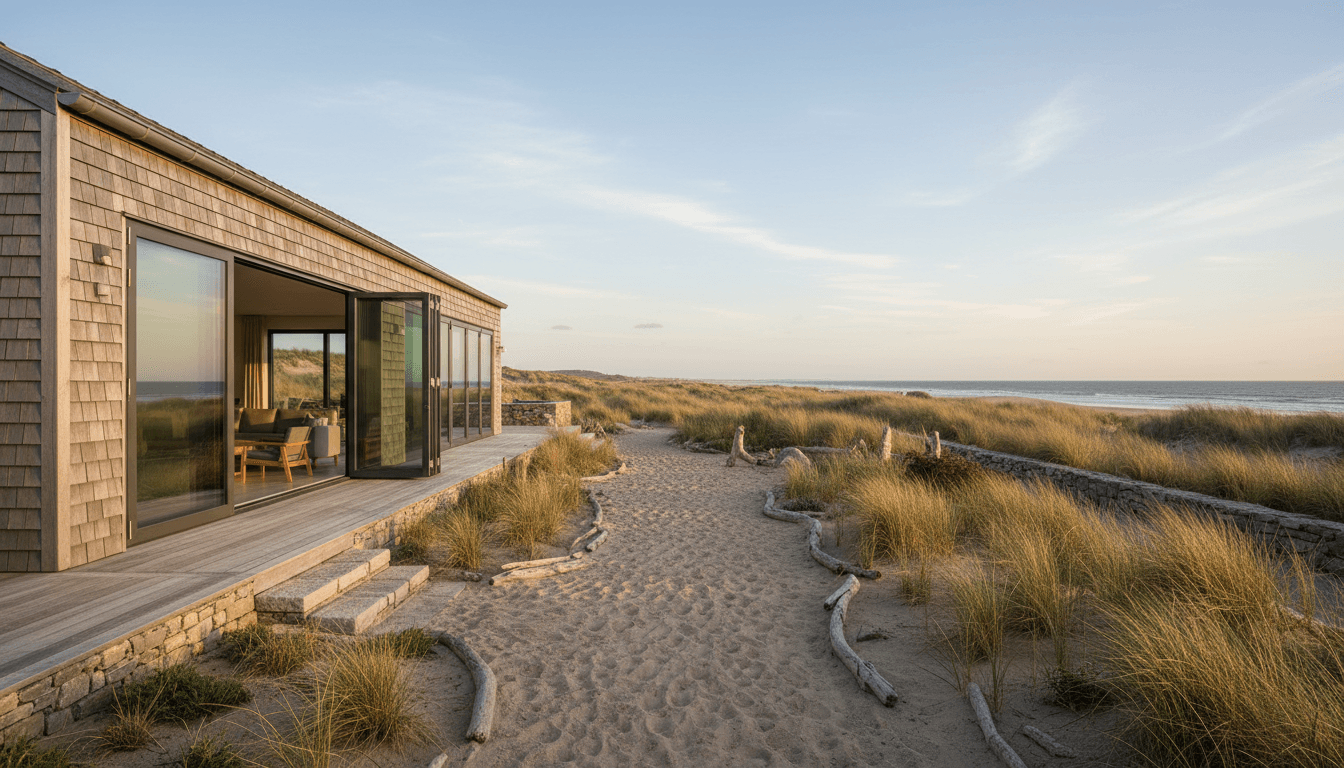
Tailoring the finish to the specific environment of each room ensures the longevity of your investment. Living rooms along the North Norfolk coast, from Hunstanton to Wells-next-the-Sea, often experience intense natural light. A flat matt finish is ideal here because it absorbs the bright coastal sun, preventing the glare that higher-sheen paints create. This choice also provides a sophisticated, seamless look that highlights the quality of the underlying plasterwork.
High-traffic zones like hallways and kitchens require greater resilience. In these areas, we recommend a durable eggshell. Its slight sheen offers a moisture-resistant barrier that can be wiped clean without damaging the pigment. For the surrounding woodwork in a Norwich home renovation, matching these walls with a hard-wearing satinwood provides a cohesive, professional aesthetic.
Period properties in Swaffham or Holt often require specific materials to maintain their structural health. When choosing paint finish after plastering on traditional lime, a breathable matt finish is essential. This allows the walls to breathe, preventing moisture from becoming trapped within the masonry. While our previous guides detail the science of breathability, selecting a specialist matt finish for these older substrates ensures the decoration does not compromise the historic fabric of the building. This targeted approach guarantees that every room in your home is both beautiful and functional.
2026 Colour Trends: Bringing Modern Style to North Norfolk
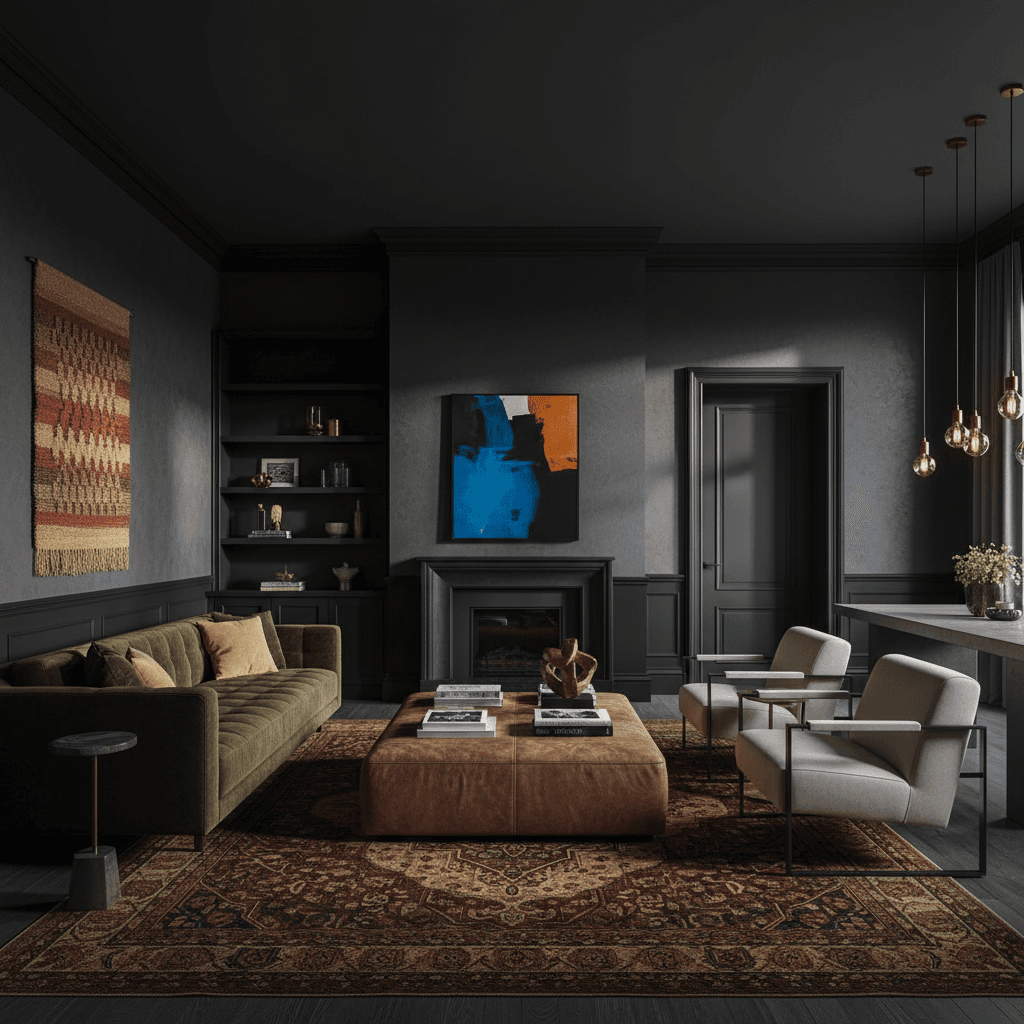
Looking ahead to 2026, the interior landscape for Norfolk homes is shifting toward a palette that feels both grounded and expressive. One of the most significant shifts is the rise of 'Hero Blues', specifically tones like Free Groove. This is a versatile, rhythmic blue that provides a sophisticated backdrop for coastal properties. When paired with the bright, often cool light found along the North Norfolk coast, these deep blues provide a sense of stability and depth that lighter shades often lack.
Alongside these blues, we are seeing a resurgence of deep, earthy reds and botanical greens. In rural areas like Fakenham or Holt, these shades mirror the natural environment, bringing an organic warmth into the home. Deep reds, such as terracotta or dried clay, work exceptionally well in North-facing rooms where the light can feel flat. Botanical greens, ranging from soft sage to dense forest hues, create a calming atmosphere that bridges the gap between the garden and the interior.
However, these bold, pigmented choices require a flawless substrate. Saturated colours reflect light differently than whites or creams, meaning any slight undulation in the plaster will cast a shadow. When choosing paint finish after plastering, the quality of the initial trowel work is the most critical factor. A bold, matt 'Hero Blue' will only look as good as the smooth surface beneath it. Our integrated plastering and painting services ensure that the wall is perfectly flat and properly sealed, providing the high-end foundation these modern 2026 colour trends demand.
Common Mist Coat Mistakes to Avoid
Achieving a flawless result requires avoiding several common pitfalls that frequently catch out DIYers and less experienced contractors. When you are choosing paint finish after plastering, the groundwork laid during the mist coat stage determines the success of the entire project. Mistakes made here often do not show up until months later, resulting in costly remedial work.
The following checklist highlights the most critical errors to avoid:
Painting on Damp Plaster: Rushing to paint before the substrate has fully cured from dark brown to pale pink traps moisture. In our humid coastal climate, this leads to bubbling and efflorescence, where salt deposits are pushed through the paint surface.
Using Vinyl Emulsion: Vinyl contains resins that create a plastic film. This prevents the paint from soaking into the pores of the plaster; it creates a surface skin that will eventually peel away in large sheets.
Incorrect Dilution Ratios: A 50:50 mix is a common DIY recommendation that often fails. It is usually too watery to provide any structural body. We favour a 70:30 or 80:20 ratio to ensure the paint actually bonds to the plaster.
Skipping the Mist Coat Entirely: Applying a thick topcoat directly to new plaster results in the moisture being sucked out of the paint too fast, preventing a chemical bond and leaving the finish brittle.
Norfolk Plaster eliminates these risks by providing integrated plastering and painting services. Our plasterers and professional decorators in King's Lynn work as a single unit, ensuring that no paint touches a wall until the moisture levels are verified. This coordination prevents the common trade friction that occurs when a finish fails, providing a reliable transition for any Norwich home renovation or coastal project.
Professional Decorating: The Advantage of a Seamless Transition
Hiring a single specialist for both stages provides accountability that split contracts often lack. When plastering and painting services are managed by one team, the risk of trades blaming one another for surface failures is eliminated. We take full responsibility for the substrate, ensuring no decorative work begins until the plaster is perfectly cured.
In Burnham Market and Brancaster, our professional decorators in King's Lynn maintain strict quality control from the first trowel to the final brush stroke. This continuity is vital when choosing paint finish after plastering, ensuring the mist coat is technically sound and the topcoat is applied to a flawlessly prepared surface. Our integrated approach delivers a durable, high-quality finish for every Norwich home renovation.
Selecting the right paint finish is the final step in bringing your interior vision to life; it protects your walls while enhancing the overall aesthetic of your Norfolk home. Whether you opt for a breathable matte or a durable eggshell, the secret to a flawless result always lies in the quality of the surface underneath. If you want expert help preparing your walls for a beautiful finish, you can view our full range of Services to see how we can assist. Our team ensures every project starts with the smooth, professional foundation your space deserves.