Determining the right time to address a cracked wall/ ceiling and when to call a professional depends on the severity of the damage; hairline cracks are usually simple DIY fixes, but diagonal cracks wider than a quarter-inch signify structural trouble. You should contact an expert if you observe bulging plaster or recurring gaps, as these symptoms often point to serious foundation issues that require specialised intervention.
There is a particular kind of dread that accompanies the discovery of new cracks tracing its way across a perfectly finished wall or ceiling. Whether you reside in a Victorian terrace in Norwich or a flint cottage on the North Norfolk coast, a crack in the plaster is rarely just an aesthetic concern; it is a symptom that demands a correct diagnosis. Ignoring these signs can lead to costly structural repairs or the degradation of historic lime finishes. This guide provides the practical expertise you need to evaluate the health of your walls. We will explore the critical 3mm rule for structural integrity, the impact of coastal damp on local masonry, and the specific red flags that indicate you should stop the DIY attempt and consult a professional. You will learn to distinguish between a simple weekend project and a job requiring a master plasterer.
Understanding the Cracks in Your Norfolk Home
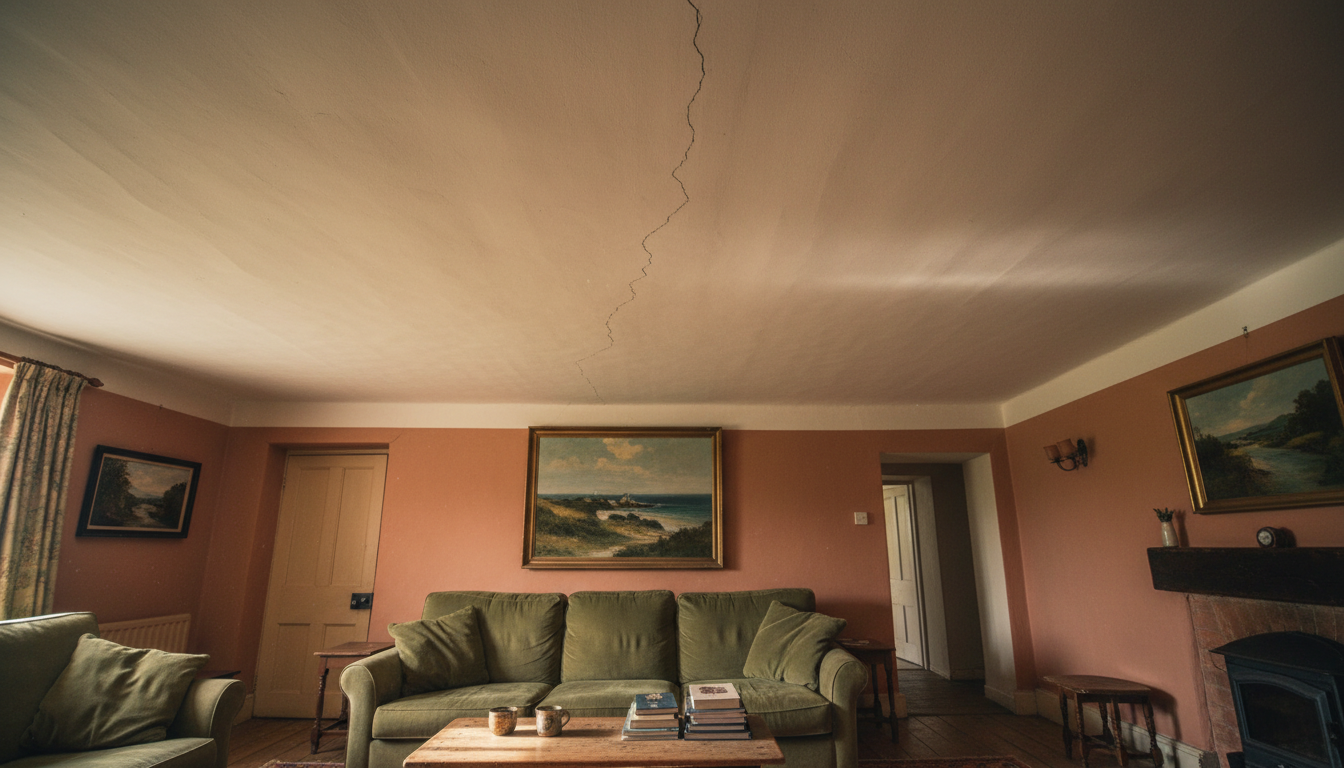
Discovering a new fracture in your wall often triggers an immediate sense of anxiety about structural stability. In Norfolk, however, cracks are a common occurrence across our diverse architectural landscape. From the ornate Victorian terraces of King’s Lynn to the historic flint cottages lining the North Norfolk coast, buildings are constantly subjected to the pressures of age and seasonal shifts.
The way plaster reacts depends heavily on the underlying construction. Solid brickwork, timber frames, and modern cavity walls all manage movement differently. Local geology further complicates things; the heavy clay in Swaffham expands and contracts with moisture, while the sandy terrain of Hunstanton provides a different set of settlement challenges. This natural breathing often results in minor fissures that are purely cosmetic, appearing as the property settles into the landscape.
Distinguishing between a house simply adjusting to the elements and a more serious structural failure is the first step in deciding on cracked plaster wall repair when to call a professional. While some issues are easily solved during routine painting and decorating, others require professional plastering services to ensure the longevity of the finish. Understanding these regional factors helps determine if a crack is a sign of historic character or a warning of something more significant.
The 3mm Rule: How to Identify Structural Warning Signs
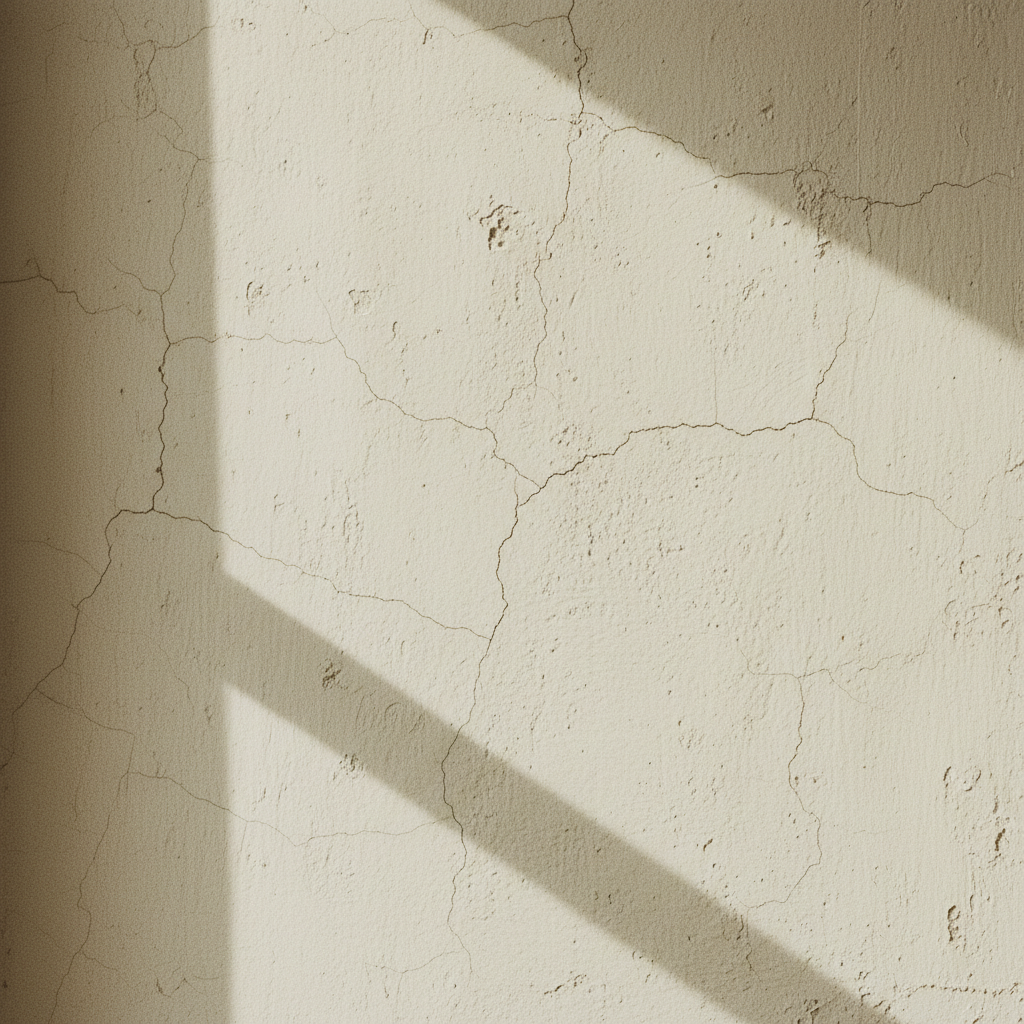
To move beyond general anxiety, you need an objective way to measure the severity of a wall fracture. Most homeowners start by noticing hairline cracks, which are typically less than 1mm wide. In Norfolk properties, these are almost always cosmetic results of thermal expansion or the natural drying of painting and decorating finishes. While they might disrupt a smooth aesthetic, they rarely indicate a threat to the building's underlying integrity.
The transition from a cosmetic nuisance to a structural concern is governed by what we call the 3mm rule. A practical way to test this at home is by using a standard pound coin; if the edge of the coin fits comfortably into the depth or width of the crack, it has surpassed the 3mm threshold and requires a professional assessment. Cracks of this size suggest that the movement occurring behind the plaster is more significant than standard seasonal breathing.
Crack Width | Likely Cause | Recommended Action |
|---|---|---|
Under 1mm | Surface shrinkage or settlement | Monitor or cosmetic fill |
1mm to 3mm | Minor movement or aged plaster | Repair during next redecoration |
Over 3mm | Potential structural movement | Immediate professional inspection |
Pattern and location are just as critical as width. Diagonal stair-step cracks that follow the mortar lines in brickwork are particularly concerning, especially if they are visible on both the interior plaster and the exterior masonry. This alignment suggests that the entire wall leaf is shifting rather than just the surface finish. You should also pay close attention to the areas around door frames and window openings. If a new crack appears and is accompanied by a door that suddenly sticks in its frame or a window that is difficult to latch, these are classic red flags for subsidence. In these instances, determining cracked plaster wall repair when to call a professional becomes a matter of property preservation. Seeking professional plastering services at this stage ensures the root cause is identified before the damage escalates.
When DIY is the Right Choice for Fine Hairline Cracks
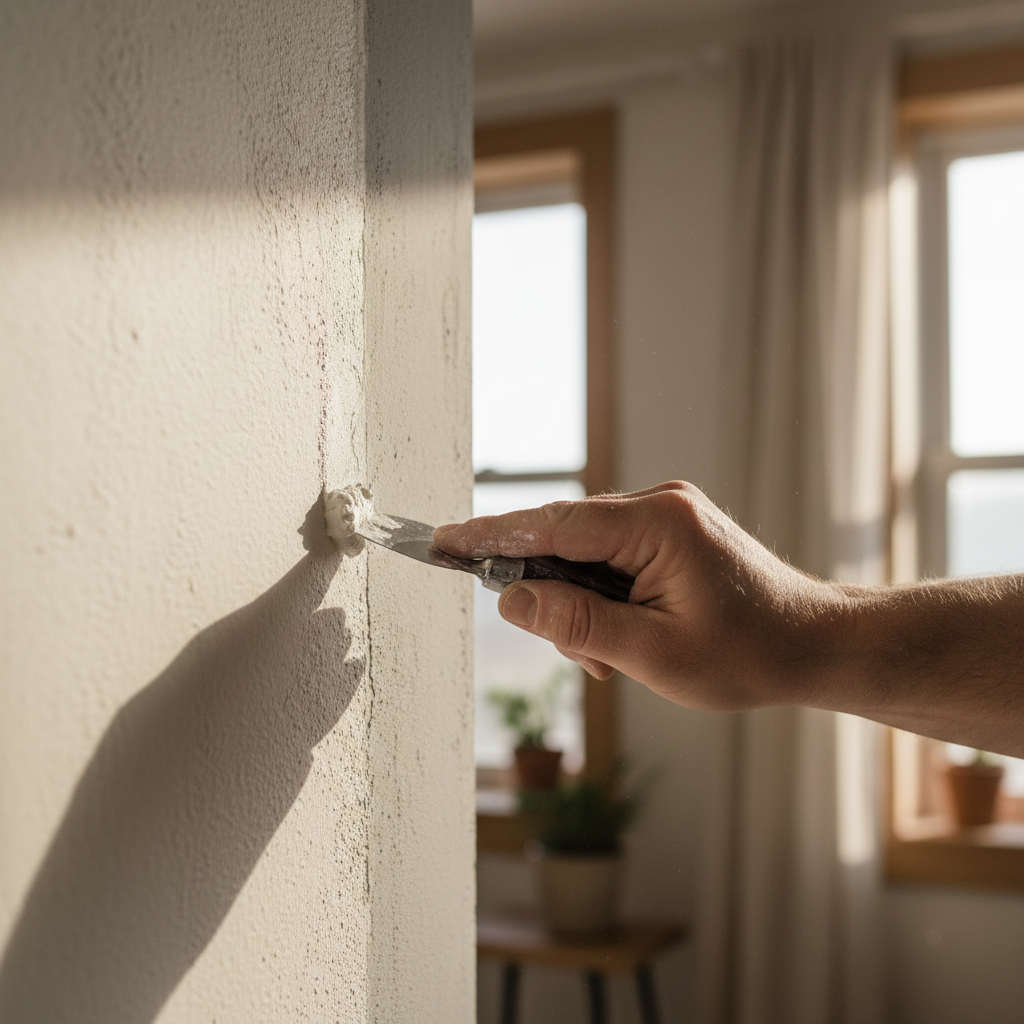
For homeowners facing minor imperfections, taking a hands-on approach to cracked plaster wall repair is often practical and cost-effective. If you are dealing with a single, stable hairline crack that has not changed in size or shape over several months, a DIY fix is likely sufficient. These cosmetic issues are common precursors to routine painting and decorating and can be resolved with a few basic tools and a bit of patience.
The most effective DIY technique involves the rake, fill, and sand method. To begin, use the corner of a scraper or a dedicated filling knife to gently rake out the crack, widening it slightly into a V-shape. This might seem counterintuitive, but it provides a larger surface area for the filler to bond with the substrate. Once the area is dusted off, apply a fine-surface polyfiller or a ready-mixed lightweight filler. For slightly deeper hairline cracks, apply the filler in thin layers rather than one heavy application to prevent shrinking as it dries. Once fully cured, sand the area flush with a fine-grit sandpaper until the transition between the old plaster and the new filler is invisible to the touch.
While this approach is excellent for surface touch-ups, it has its limits. If you find yourself raking and filling the exact same fracture every six months, the DIY approach is merely masking an underlying movement issue. In these instances, you have reached the point of cracked plaster wall repair when to call a professional. Persistent re-cracking suggests that the plaster requires stabilization or that the building is experiencing active movement that exceeds the flexibility of off-the-shelf fillers. At this stage, seeking professional plastering services is the only way to ensure a permanent, high-quality finish.
Red Flags: When to Call a Professional Plasterer Immediately
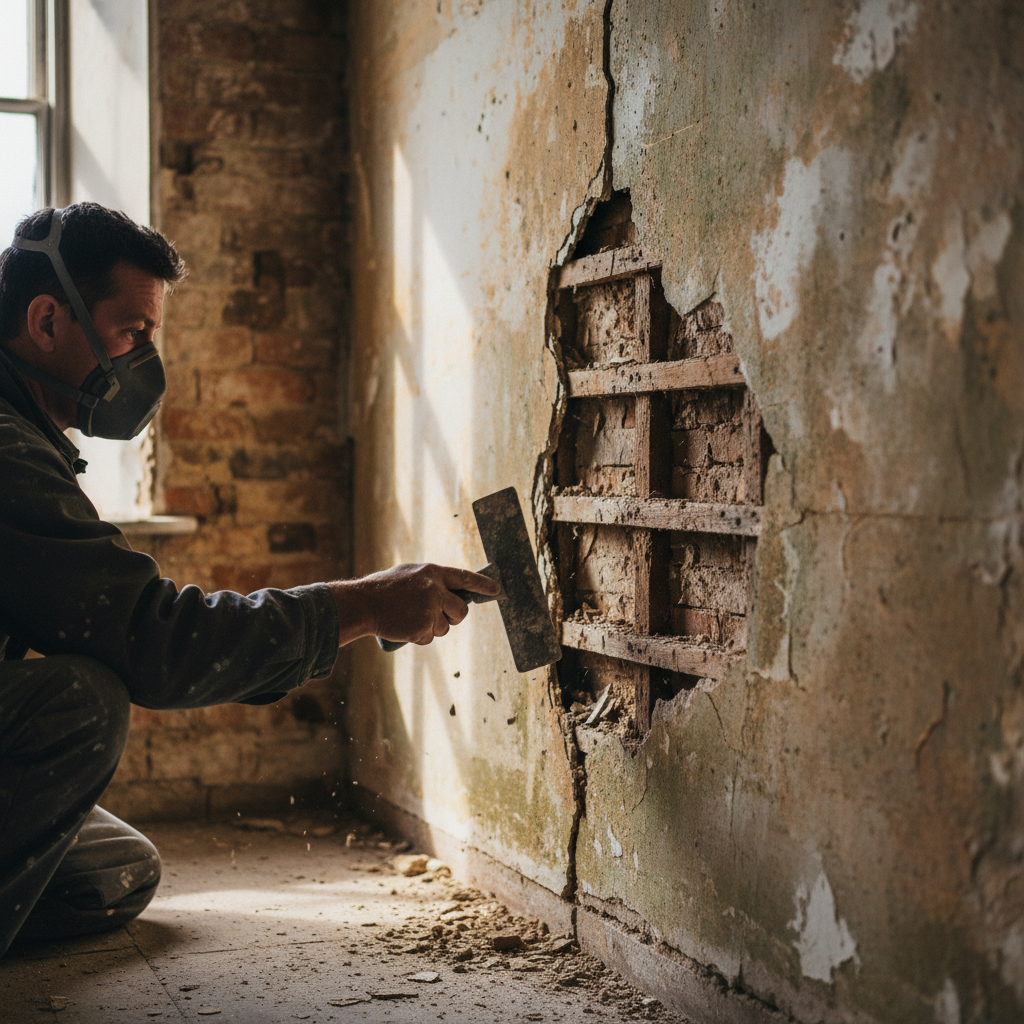
While cosmetic fissures are manageable, certain defects indicate a complete failure of the bond between the plaster and the substrate. The most critical sign that you have moved beyond the realm of DIY is "blown" plaster. This occurs when the plaster skin physically detaches from the brickwork or timber behind it, creating an air pocket. You can identify this by performing a simple tap test. Use your knuckles to gently knock across the surface of the wall; a healthy wall produces a dull, solid sound, whereas blown plaster results in a hollow, drum-like echo. If you feel the wall move or flex under the pressure of your hand, the material is no longer structurally sound.
In many historic properties across North Norfolk and King's Lynn, the risks are heightened by lath and plaster construction. These walls and ceilings rely on timber strips (laths) with plaster squeezed between them to form "keys" that hook the material in place. Over decades, these keys can become brittle and snap due to vibration or moisture. Identifying this structural failure is the primary factor in determining cracked plaster wall repair when to call a professional. A sagging ceiling or a visible bulge in the plaster is not merely an eyesore; it is a sign that gravity is pulling a heavy mass of masonry away from its supports. If left unaddressed, large chunks can suddenly collapse, posing a genuine safety risk to occupants.
Red Flag | Physical Symptom | Risk Level |
|---|---|---|
Blown Plaster | Hollow sound when tapped | Medium: Spread of failure |
Sagging Ceilings | Visible dipping or bulging | High: Risk of collapse |
Broken Keys | Loose, rattling lath sections | High: Total plaster detachment |
Large Debris | Chunks of plaster falling | Critical: Immediate safety hazard |
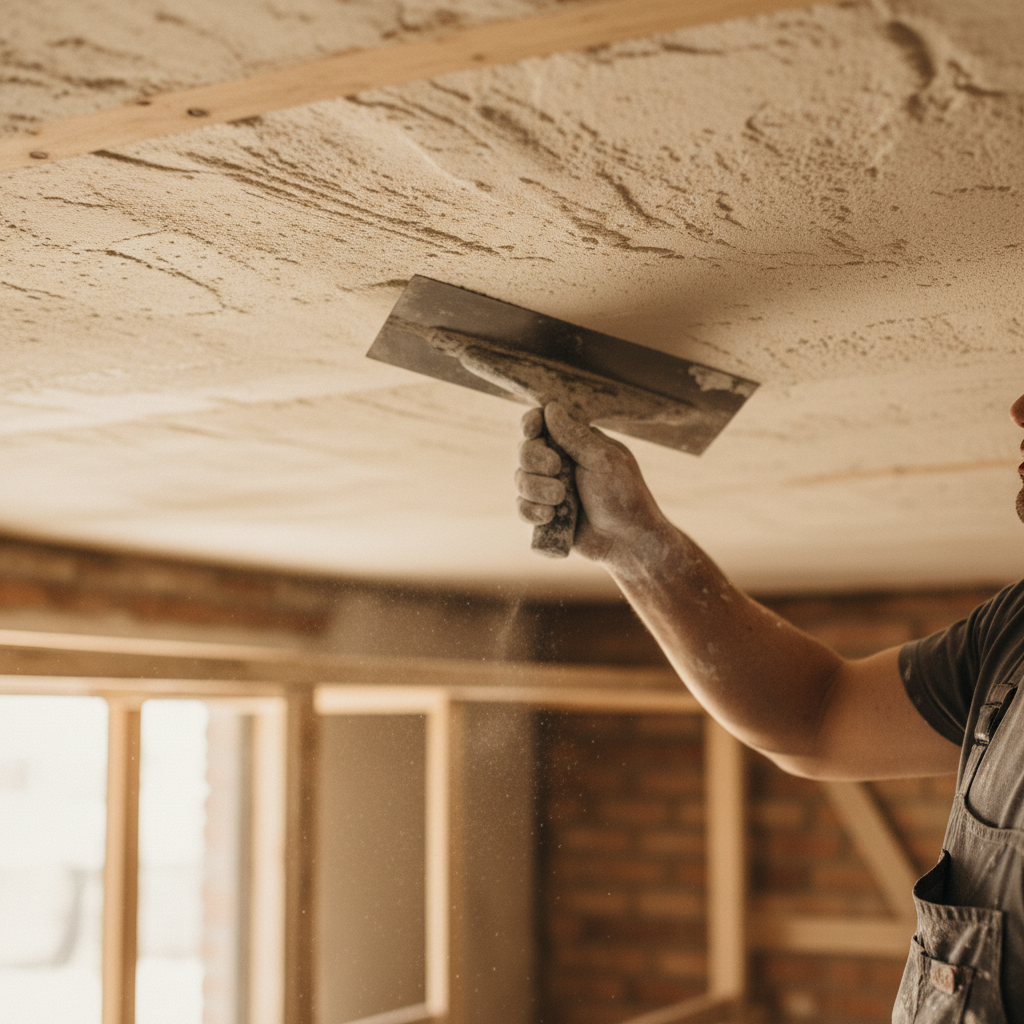
Attempting to patch these areas with off-the-shelf fillers is ineffective because the underlying support is gone. Seeking professional plastering services ensures that loose material is safely removed and the substrate is correctly prepared before new plaster is applied. Addressing these issues early prevents the need for more extensive restoration and provides a stable, flat base for final painting and decorating, ensuring the longevity of your home's interior.
The North Norfolk Factor: Coastal Damp and Historic Lime Plaster
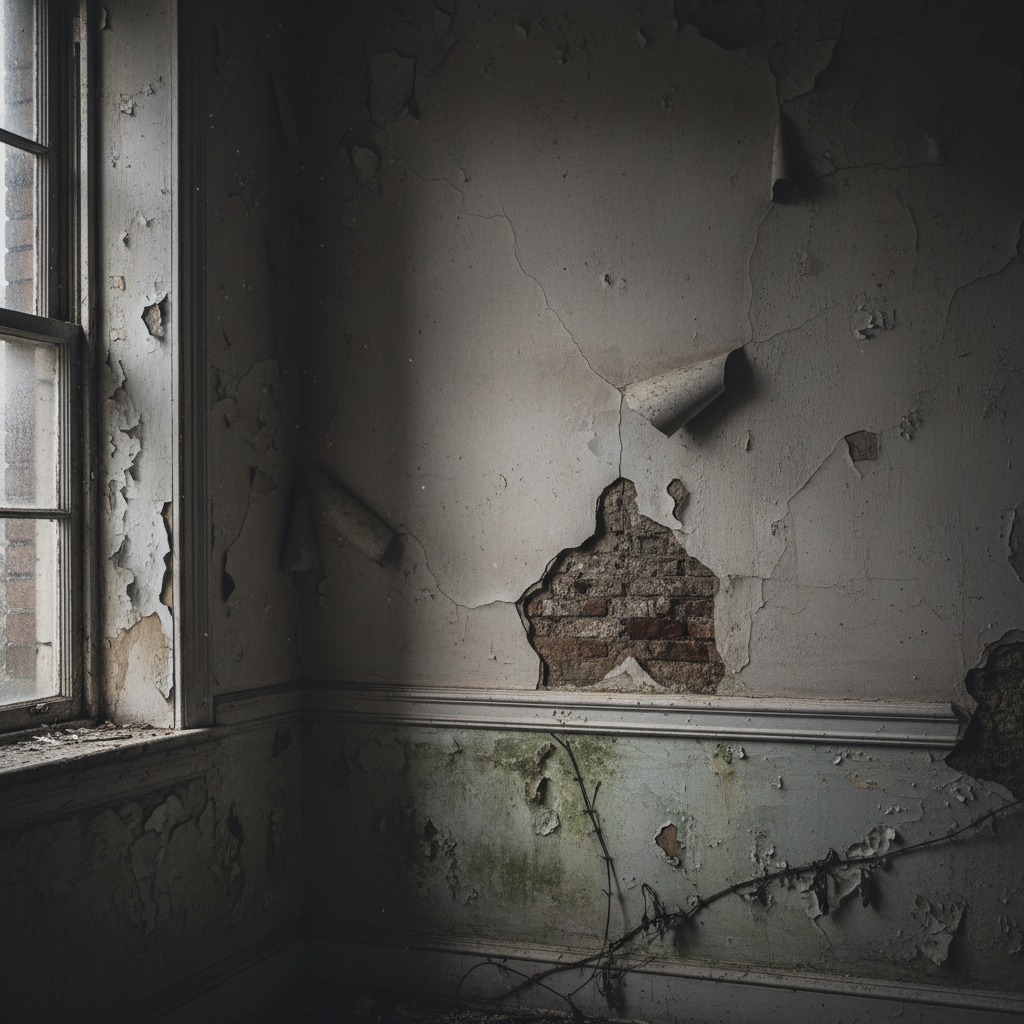
Living along the North Norfolk coast, from the windswept front at Hunstanton to the tidal reaches of Wells-next-the-Sea, introduces environmental variables that do not exist further inland. In these areas, cracks are frequently symptomatic of salt damp or moisture ingress rather than simple settlement. The North Sea climate is relentless; salt-laden air and driving rain can exploit the smallest fracture in an external render, leading to rapid internal deterioration. When moisture becomes trapped within the wall, it causes the plaster to swell and crack, a process often illustrated by the dark, crumbling patches seen in the damp corner image.
For the historic flint and brick cottages synonymous with this region, the choice of repair material is a critical technical decision. These properties were originally finished with lime plaster, a material prized for its breathability. Modern gypsum plaster, while convenient for new builds, acts as a vapor barrier. When applied to a damp-prone coastal wall, gypsum traps moisture behind the surface, eventually leading to blown sections and recurring salt efflorescence. This technical mismatch is a clear indicator of cracked plaster wall repair when to call a professional.
Engaging specialist professional plastering services ensures that repairs respect the building’s original physics. A professional will assess whether a lime-based mortar is required to restore the wall's ability to breathe, preventing future damp issues. Once the substrate is stabilized and correctly plastered, the surface can be properly prepared for high-quality painting and decorating, ensuring a finish that withstands the coastal elements for years to come.
Comparing the Cost: DIY Repair vs Professional Replastering
Choosing between a five pound tub of filler and professional plastering services often comes down to a misunderstanding of long term value. While the initial investment in a DIY fix is low, the hidden costs frequently manifest as repeat repairs and a compromised aesthetic finish. A standard filler cannot bridge moving substrates; it lacks the tensile strength required to prevent the crack from reappearing through your fresh painting and decorating work within months.
When we undertake a cracked plaster wall repair, the process goes beyond surface aesthetics. A professional approach involves technical stabilization, such as embedding alkaline resistant mesh within the plaster layers to distribute stress and bridge the fracture. This creates a reinforced, monolithic surface that resists future movement.
Feature | DIY Patching | Professional Repair |
|---|---|---|
Upfront Cost | Minimal | Moderate |
Durability | Low; prone to recracking | High; structurally reinforced |
Finish Quality | Often visible or textured | Seamless and level |
Property Value | May indicate neglected maintenance | Enhances market appeal |
In the competitive Norfolk real estate market, particularly for historic homes in King's Lynn or coastal properties in Hunstanton, the quality of internal finishes significantly impacts property valuation. Discerning buyers and surveyors quickly spot poor patch jobs, which can trigger concerns about underlying structural health. Determining cracked plaster wall repair when to call a professional is ultimately a decision to protect your property's equity with a finish that is both technically sound and ready for high quality decoration.
Identifying whether a crack is structural or cosmetic is crucial for the overall health of your home. While small surface fissures are often simple DIY projects, deeper issues require a trained eye to ensure your walls remain stable and secure. If you find yourself unsure about the severity of the damage, or if you want expert help to restore your surfaces to their original glory, we are here to assist. Our team specializes in comprehensive Cracked Plaster Wall Repair for residents throughout Norfolk.